Water Fountain in Garden
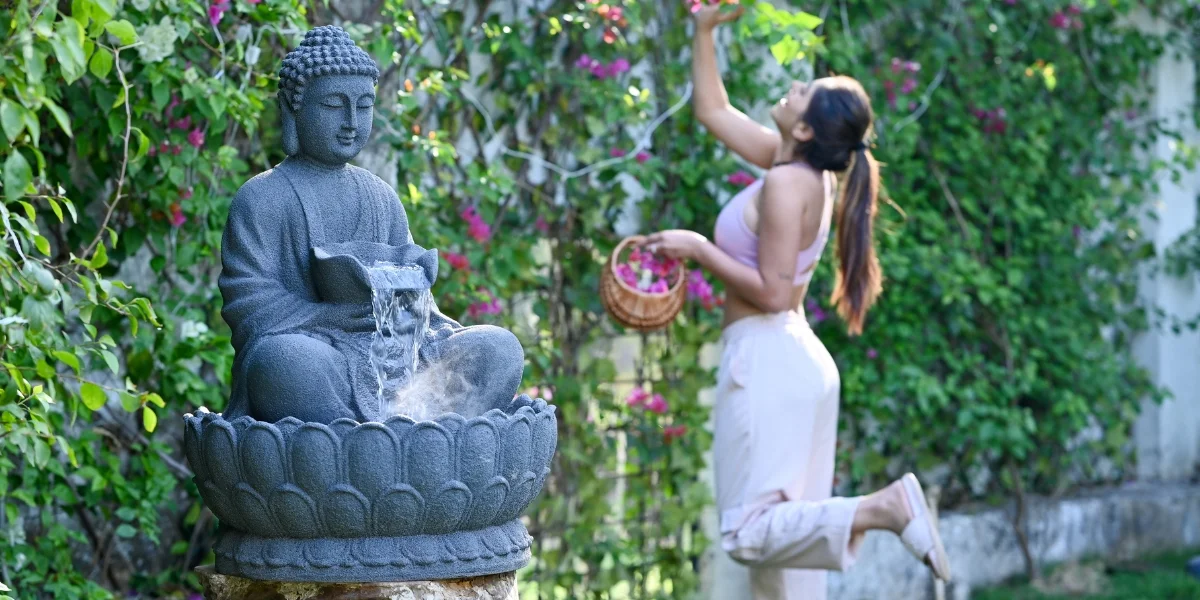
A beautifully designed water fountain in garden spaces adds elegance, tranquility, and visual charm to any outdoor setting. From modern landscapes to traditional courtyards, fountains create a soothing ambiance with the calming sound of flowing water while enhancing the overall beauty, balance, and luxury appeal of residential gardens.Water Fountain Direction as per Vastu
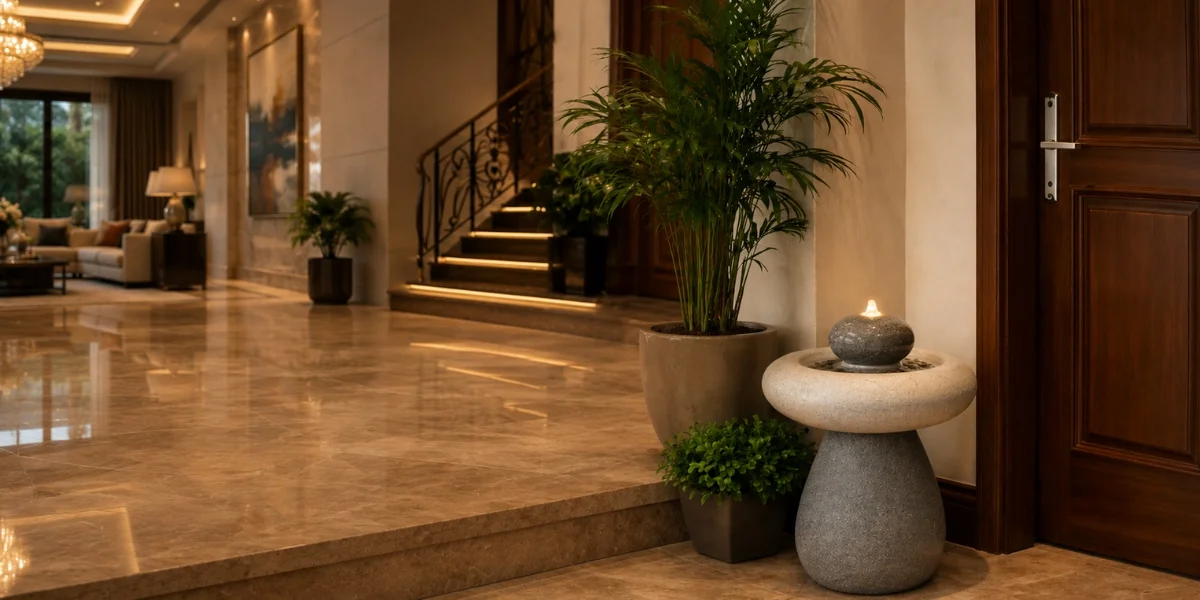
Choosing the right water fountain direction as per Vastu is important for maintaining positive energy and harmony in the home. According to Vastu principles, the North and Northeast directions are considered ideal for water elements, helping attract prosperity, peace, and a smooth flow of positive energy.Fountain Position as per Vastu
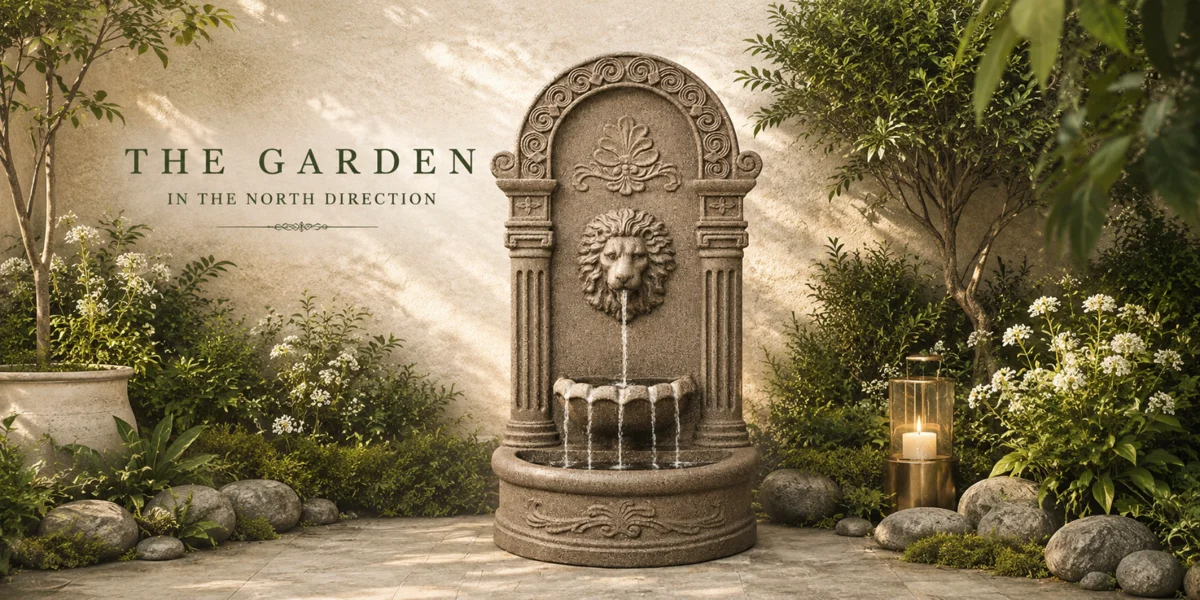
The ideal fountain position as per Vastu can improve both the aesthetics and energy balance of a property. Placing fountains in favorable directions like North or Northeast is believed to support abundance, relaxation, and emotional well-being while creating a refreshing and welcoming garden environment.Outdoor Water Fountains for Gardens
Stylish outdoor water fountains for gardens can instantly transform ordinary landscapes into luxurious outdoor retreats. Available in modern, classic, and natural stone designs, these fountains enhance visual appeal, create a peaceful atmosphere, and serve as attractive focal points for patios, lawns, and garden pathways.Fountain Placement
Proper fountain placement plays a key role in both functionality and design harmony. A well-positioned fountain should complement pathways, greenery, seating areas, and open spaces while allowing smooth water flow. Correct placement also helps create a balanced, calming, and visually appealing outdoor environment.
A thoughtfully placed water fountain in garden spaces can completely transform the atmosphere of a home. Beyond adding beauty and elegance, fountains are often associated with positivity, prosperity, calmness, and balance. Whether you are designing a luxurious landscape or creating a peaceful corner in a compact backyard, the direction and placement of the fountain play an important role. Choosing the right fountain position as per Vastu is believed to enhance positive energy flow while creating a more harmonious outdoor environment.
According to traditional design principles and Vastu concepts, the North and Northeast directions are considered the most favorable zones for water elements. But many homeowners often wonder which direction is actually better for a fountain? Should you place your fountain in the North or Northeast area of your garden? And how do you ensure that the fountain complements your overall landscape while maintaining the ideal fountain position as per Vastu?
In this detailed guide, we will explore the difference between North and Northeast placements, understand the benefits of each direction, and help you choose the ideal water fountain in garden settings based on your space, aesthetics, and energy flow.
Why Fountain Placement Matters in Garden Design
A fountain is more than just a decorative structure. It acts as a visual focal point, a relaxing sound element, and an energy enhancer for outdoor spaces. The placement of a water fountain in garden areas can influence how spacious, balanced, and welcoming the entire landscape feels.
In traditional design philosophies, flowing water symbolizes movement, abundance, and positive energy. When placed correctly, fountains can improve harmony within the outdoor environment and create a calming retreat within your property.
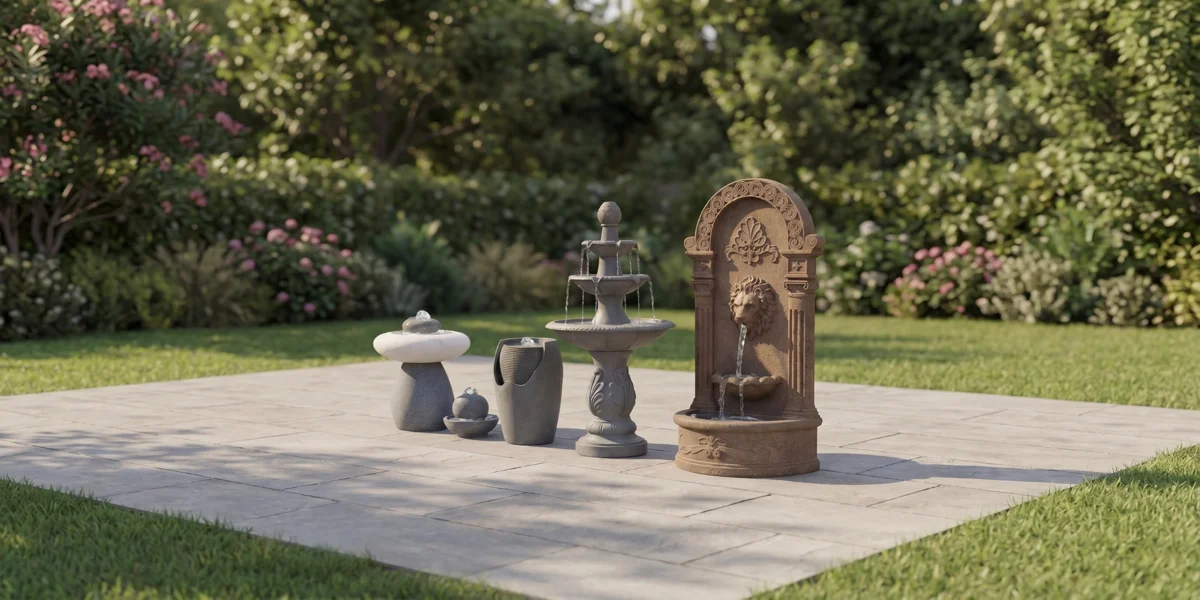
Modern landscaping also supports strategic fountain placement because it helps define zones, create symmetry, and improve the visual flow of a garden. Whether you have a large lawn or a compact courtyard, a fountain can become the centerpiece that ties all the design elements together.
Today, homeowners are also choosing durable and lightweight rotomolded fountains because they are weather-resistant, elegant, and suitable for both traditional and contemporary landscapes.
Understanding the Importance of North Direction for Fountains
The North direction is often associated with prosperity, movement, and career growth in Vastu-inspired landscape planning. According to the ideal water fountain direction as per Vastu, placing a water fountain in garden areas facing North is believed to encourage the smooth flow of opportunities, abundance, and positive energy throughout the home.
From a practical design perspective, North-facing fountains often work beautifully because they receive balanced natural light throughout the day. This helps create a subtle shimmering effect on the water without excessive glare, making the fountain both visually calming and energetically balanced. Choosing the correct water fountain direction as per Vastu can therefore enhance not only the aesthetics of the landscape but also the overall harmony of the outdoor space.
Benefits of Placing a Fountain in the North
1. Encourages calm and balanced energy flow
2. Creates a visually open and welcoming garden entrance
3. Works well for medium to large landscapes
4. Complements symmetrical garden designs
5. Enhances the cooling effect in outdoor spaces
For homeowners with a spacious lawn, North-facing outdoor garden fountains can become a grand centerpiece. Layering the area with soft lighting, natural stone pathways, and lush garden plants further enhances the overall ambiance.
The North direction is especially suitable when the fountain is intended to be a statement feature visible from the main entrance or seating area.
Benefits of Fountain Position as per Vastu
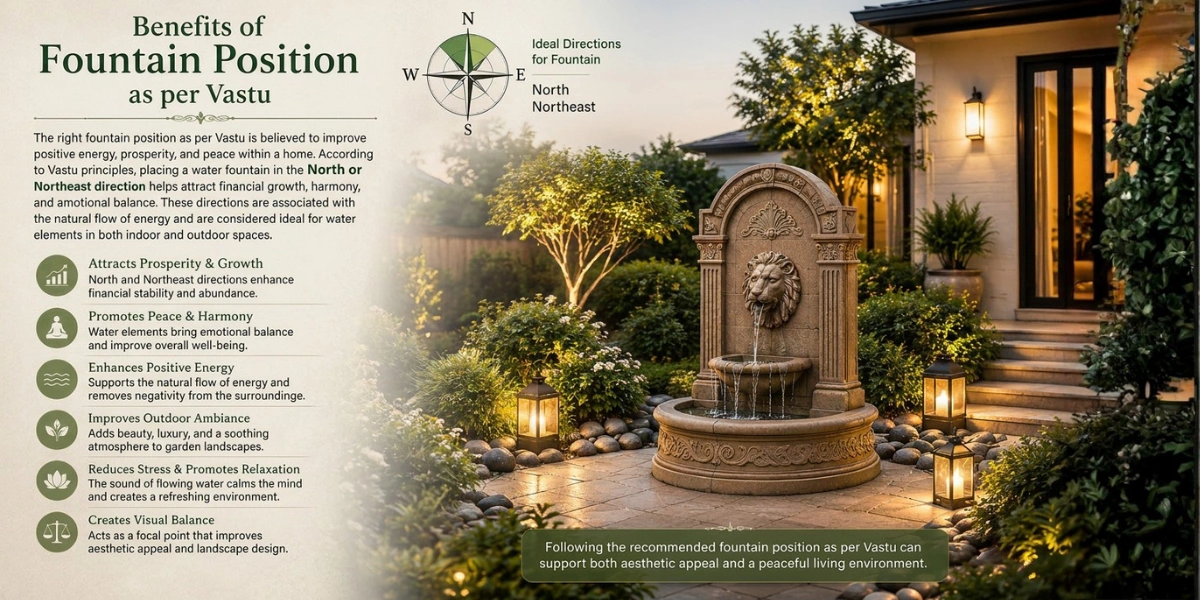
The right fountain position as per Vastu is believed to improve positive energy, prosperity, and peace within a home. According to Vastu principles, placing a water fountain in the North or Northeast direction helps attract financial growth, harmony, and emotional balance. These directions are associated with the natural flow of energy and are considered ideal for water elements in both indoor and outdoor spaces.
A properly placed fountain also enhances the beauty of garden landscapes by creating a calm and luxurious atmosphere. The soothing sound of flowing water can help reduce stress, promote relaxation, and make outdoor areas feel more inviting. In modern landscape design, fountains are often used as focal points that improve visual balance and overall ambiance. Following the recommended fountain position as per Vastu can therefore support both aesthetic appeal and a peaceful living environment.
Why Northeast Is Considered Highly Auspicious
While the North direction is favorable, many designers and Vastu experts consider the Northeast to be the ideal location for a water fountain in garden landscapes.
The Northeast zone is traditionally associated with peace, spiritual energy, and clarity. Water elements placed in this direction are believed to attract positivity and maintain harmony within the home environment.
From a landscape design perspective, Northeast placement works exceptionally well because it naturally creates a calm and open atmosphere. The soft morning sunlight falling on flowing water adds a serene and refreshing feel to the garden.
Advantages of Northeast Fountain Placement
1. Creates a peaceful and meditative environment
2. Enhances the natural flow of light and openness
3. Ideal for relaxation corners and zen-inspired gardens
4. Works beautifully with compact layouts
5. Supports balanced energy according to traditional beliefs
For homeowners looking to create a tranquil retreat, the Northeast direction is often the preferred choice for a water fountain for home garden spaces.
Adding pebbles, bamboo, flowering shrubs, and soft landscape lighting around the fountain can elevate the entire experience.
North vs. Northeast: Which Direction Is Better?
Choosing between North and Northeast depends on your overall garden layout, available space, and the purpose of the fountain.
Choose North Direction If:
1. You want the fountain to become a visual centerpiece
2. Your garden is large and symmetrical
3. You prefer a modern or luxurious landscape design
4. The fountain is intended for entertaining areas
5. You want a bold and prominent water feature
Choose Northeast Direction If:
1. You want a peaceful and calming ambiance
2. You have a compact or irregularly shaped garden
3. You prefer natural and spiritual design aesthetics
4. Your goal is relaxation and harmony
5. You are designing a meditation or quiet seating zone
Both directions are considered positive for placing a water fountain in garden settings. The key is ensuring that the fountain integrates naturally with the landscape rather than appearing forced or overcrowded.
Best Fountain Styles for Different Garden Sizes
The size of your fountain should always complement your overall garden size. A fountain that is too large can overwhelm the landscape, while one that is too small may get visually lost.
Small Gardens
For compact spaces, opt for minimalist fountains or vertical designs. A subtle water feature in small garden areas creates elegance without consuming too much space.
Compact rotomolded fountains are ideal because they are lightweight, easy to install, and available in modern shapes suitable for urban homes.
Medium Gardens
Medium-sized gardens allow greater flexibility. Tiered fountains, bowl fountains, and contemporary sculptural designs work beautifully in these spaces.
Placing the fountain near seating areas surrounded by layered garden plants creates a balanced and immersive environment.
Large Gardens
Larger landscapes can accommodate grand outdoor garden fountains with multiple tiers, dramatic water flow, and statement lighting.
In expansive lawns, North-facing placements often help establish a strong visual axis that enhances the luxury feel of the property.
How to Integrate Fountains into Your Garden Layout
A successful fountain design is not only about direction but also about integration with the surrounding elements.
When planning your garden layout, consider pathways, seating zones, lighting, plant selection, and visibility from different areas of the house.
Design Tips for Better Integration
1. Create a Focal Point
Position the fountain where it naturally draws attention without blocking movement.
2. Use Layered Landscaping
Combine the fountain with textured greenery, flowering plants, and natural stones.
3. Add Ambient Lighting
Warm lighting enhances the movement of water and creates a luxurious nighttime ambiance.
4. Balance Proportions
The fountain should complement the scale of surrounding furniture and landscape elements.
5. Consider Sound Levels
Gentle water flow creates relaxation, while stronger cascading designs work better for large outdoor spaces.
A carefully designed water fountain in garden areas can instantly improve the sA carefully designed water fountain in garden areas can instantly improve the sensory experience of the landscape.ensory experience of the landscape.
Why Rotomolded Fountains Are Becoming Popular
Modern homeowners are increasingly choosing rotomolded fountains because of their durability, lightweight structure, and elegant finishes.
Unlike traditional heavy stone fountains, rotomolded designs are easier to move, maintain, and customize according to the overall garden theme.
Benefits of Rotomolded Fountains
1. Weather-resistant and durable
2. Lightweight yet sturdy
3. Easy installation and maintenance
4. Suitable for modern and traditional landscapes
5. Available in multiple textures and finishes
6. Ideal for both indoor and outdoor use
Whether you have a contemporary villa or a compact urban home, these fountains blend effortlessly with different types of garden decor items.
Common Mistakes to Avoid
Even a beautiful fountain can lose its impact if placed incorrectly.
Avoid These Common Errors
1. Placing the fountain in cluttered corners
2. Choosing oversized fountains for small spaces
3. Ignoring proportion and scale
4. Blocking pathways or movement areas
5. Using poor lighting around the fountain
6. Neglecting maintenance and water cleanliness
It is also important to understand that a foutain as per vastu should ideally have flowing and clean water. Stagnant water may negatively affect the overall ambiance of the garden.
Final Thoughts
Choosing between North and Northeast for a water fountain in garden spaces ultimately depends on the atmosphere you want to create.
If your goal is a bold, luxurious, and visually striking landscape, the North direction works exceptionally well. However, if you prefer a calm, peaceful, and spiritually uplifting environment, the Northeast direction is often considered ideal.
A well-designed fountain not only enhances aesthetics but also transforms the emotional experience of your outdoor space. By selecting the right direction, fountain style, and surrounding landscape elements, you can create a garden that feels balanced, elegant, and inviting.
From compact urban courtyards to expansive luxury lawns, modern outdoor garden fountains and stylish rotomolded fountains offer endless possibilities for enhancing your landscape.
When paired with thoughtful garden decor items, carefully selected garden plants, and a harmonious garden layout, the right fountain can become the heart of your outdoor sanctuary.
Whether you are designing a peaceful retreat or a grand entertainment area, investing in the right water fountain for home garden spaces ensures beauty, tranquility, and timeless appeal for years to come.
FAQ's
According to Vastu principles, the North and Northeast directions are considered the best for placing a water fountain in garden spaces. The North direction is associated with prosperity and growth, while the Northeast direction is believed to attract peace, positivity, and harmony. Choosing the right water fountain direction as per Vastu can enhance both the beauty and energy flow of your outdoor space.
The Northeast direction is considered highly auspicious because it is linked with calmness, clarity, and spiritual energy. Placing a water fountain for home garden areas in the Northeast is believed to create a peaceful environment and support positive energy flow. It also works beautifully with natural sunlight, making the garden feel more refreshing and balanced.
Yes, a water fountain in garden layouts can work beautifully even in compact spaces. Small vertical fountains, minimalist water features, and lightweight rotomolded fountains are ideal for urban homes and small courtyards. Proper placement and proportion help create a luxurious and relaxing atmosphere without overcrowding the landscape.
The correct fountain position as per Vastu is believed to improve positivity, prosperity, emotional balance, and peace within the home. Flowing water symbolizes abundance and movement, making fountains an important element in modern garden design. Proper placement also enhances the visual appeal and ambiance of outdoor spaces.
Yes, rotomolded fountains are becoming popular because they are lightweight, durable, weather-resistant, and easy to maintain. They are suitable for both modern and traditional landscapes and are available in various elegant finishes. These fountains work well in all types of water fountain in garden settings, including small patios and large luxury lawns.
Avoid placing fountains in cluttered corners, blocking pathways, or choosing oversized designs for small spaces. It is also important to keep the water clean and flowing, as stagnant water may negatively affect the overall ambiance. Proper lighting, balanced landscaping, and the right fountain direction as per Vastu can improve both aesthetics and harmony.
Modern garden landscapes often feature minimalist fountains, tiered designs, sculptural water features, and elegant rotomolded fountains. The best choice depends on your garden size, theme, and overall layout. Contemporary outdoor garden fountains paired with natural stones, garden plants, and ambient lighting create a sophisticated outdoor environment.
You can enhance a water fountain in garden spaces by adding layered landscaping, decorative pebbles, flowering plants, warm lighting, and comfortable seating areas. Combining the fountain with stylish garden decor items creates a visually balanced and relaxing outdoor retreat suitable for both day and night use.