
5 ways to take care of plants
Caring for plants boils down to understanding and addressing their fundamental needs, ensuring they not only survive but truly flourish. Our comprehensive guide outlines five essential pillars for successful plant care. Firstly, provide appropriate light, recognizing that different plants have distinct requirements. Secondly, master the art of watering, avoiding both over- and undersaturation by checking soil moisture. Thirdly, ensure optimal soil and nutrition through the right potting mix and timely fertilization. Fourthly, cultivate an ideal environment by managing humidity, temperature, and air circulation. Finally, maintain vigilance with pest management and regular tasks like pruning and dusting to keep your green friends healthy and vibrant.
Outdoor Plant Care Guide
While our primary focus is indoors, understanding fundamental principles of an outdoor plant care guide is equally vital for gardeners. Just like houseplants, outdoor plants require careful attention to their environment. This includes ensuring they receive appropriate sunlight for their species, providing well-draining, nutrient-rich soil, and mastering consistent watering practices, especially during dry spells. Regular fertilization, tailored to their growth cycle, helps replenish depleted nutrients. Furthermore, routine inspection for pests and diseases, alongside proactive pruning, is crucial for maintaining vibrant health and vigorous growth in your garden beds and containers.
Indoor Plant Care Guide
Our comprehensive indoor plant care guide emphasizes five core pillars for successful cultivation. Firstly, understanding and providing adequate light, from direct sun to low light, is paramount. Secondly, mastering the art of watering, avoiding both over- and under-watering, is critical, often by checking soil moisture before watering. Thirdly, selecting an appropriate potting mix and providing timely nutrition through fertilization supports strong growth. Fourthly, creating an ideal environment by managing humidity, temperature, and air circulation minimizes stress. Finally, proactive pest management and regular maintenance, like dusting and pruning, ensure your plants remain healthy and beautiful.
Plant Care Information
Plant care information serves as your essential resource for nurturing healthy, thriving greenery, whether for home decor or for your office. It encompasses all the knowledge needed to understand your plant’s specific needs, from basic requirements like light and water to more nuanced aspects like soil composition, fertilization, and environmental factors such as humidity and temperature. This invaluable guide equips you with the insights to diagnose issues like pests or diseases and implement effective solutions. By continuously learning and applying this information, you can transform your space with lush, vibrant plants and enjoy the numerous aesthetic and health benefits they provide.
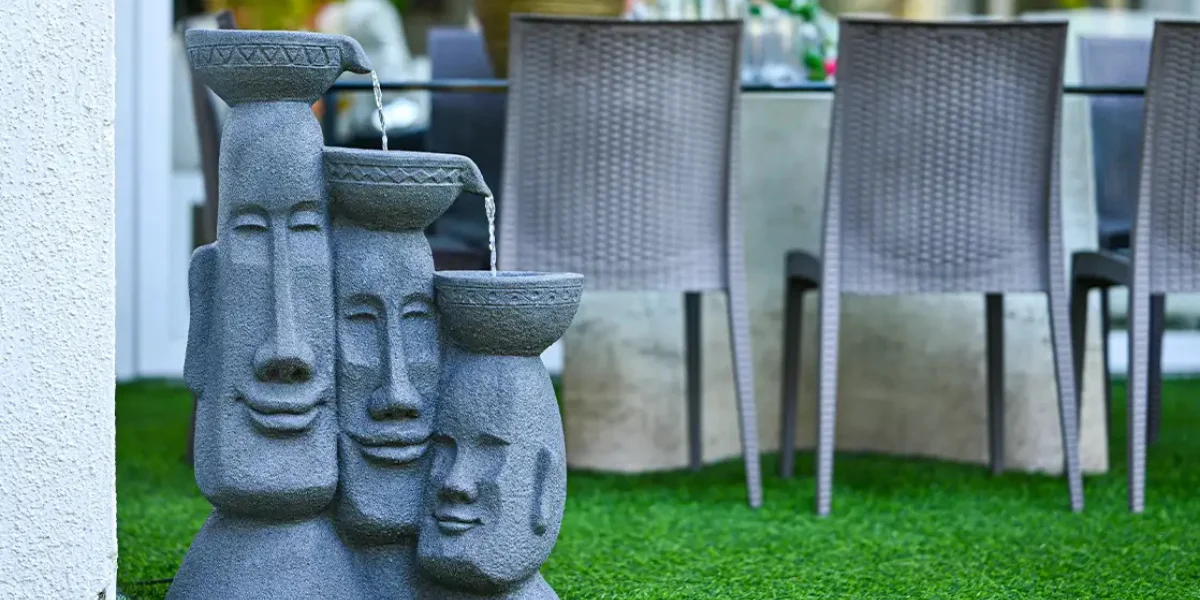
There is something inherently magical about the sound of trickling water. It draws us in, calms the nervous system, and turns a simple backyard into a personal sanctuary. If you are looking to elevate your landscape, integrating garden fountains and outdoor decor is the most effective way to add both visual interest and sensory depth to your home.
Whether you have a sprawling estate or a cozy urban patio, the right outdoor garden fountain can serve as a stunning focal point. In this guide, we’ll explore how to choose the perfect pieces, the benefits of different materials, and how to master outdoor water fountain landscaping.
Why Choose a Garden Fountain for Home Improvement?
Adding a home garden fountain isn’t just about aesthetics; it’s about creating an atmosphere. Water features act as natural sound masks, drowning out neighborhood traffic or noisy lawnmowers. Furthermore, a garden with fountain elements attracts local wildlife, such as birds and butterflies, bringing a sense of life and movement to your space.
When selecting a water fountain for home outdoor use, you are investing in:
1. Stress Reduction:
The auditory rhythm of a gardening fountain promotes mindfulness.
The auditory rhythm of a gardening fountain promotes mindfulness.
2. Property Value:
High-quality outdoor garden decor items significantly boost curb appeal.
High-quality outdoor garden decor items significantly boost curb appeal.
3. Temperature Control:
On hot summer days, evaporating water can actually cool the immediate surrounding air.
On hot summer days, evaporating water can actually cool the immediate surrounding air.
Selecting the Right Material: The Rise of Fiber Glass Garden Fountains
One of the most common questions homeowners ask is which material is best. While stone and cast iron are classic, fiber glass garden fountains have surged in popularity for several reasons:
1. Durability:
Fiberglass is incredibly resilient against the elements, resisting cracks from freezing and thawing cycles.
Fiberglass is incredibly resilient against the elements, resisting cracks from freezing and thawing cycles.
2. Weight:
Unlike heavy stone, fiber glass is lightweight, making it easier to position your outdoor garden fountain without needing a professional crew.
Unlike heavy stone, fiber glass is lightweight, making it easier to position your outdoor garden fountain without needing a professional crew.
3. Versatility:
This material can be molded into any shape, from a modern garden water fountain with sleek lines to more traditional, ornate designs.
This material can be molded into any shape, from a modern garden water fountain with sleek lines to more traditional, ornate designs.
Trends in Modern Garden Design with Modern Water Fountains for the Garden

If your home features contemporary architecture, a modern water fountain for garden spaces is the way to go. Today’s trends lean toward minimalism think geometric shapes, basalt columns, or stainless steel spheres.
A modern garden water fountain often utilizes hidden reservoirs (disappearing fountains) where the water seems to vanish into a bed of polished stones. This creates a clean, sophisticated look that pairs perfectly with other outdoor garden decor items like LED path lights and sculptural FRP planters.
Making a Statement with Extra Large Outdoor Water Fountains
For those with significant acreage or a large circular driveway, extra large outdoor water fountains provide a sense of grandeur and scale. These “estate-sized” features often include tiered basins where water cascades dramatically, creating a bold visual statement.
When installing extra large outdoor water fountains, consider the following:
1. Proportion:
Ensure the fountain doesn’t overwhelm your plants or your home’s facade.
Ensure the fountain doesn’t overwhelm your plants or your home’s facade.
2. Power Source:
Larger pumps may require dedicated electrical lines.
Larger pumps may require dedicated electrical lines.
3. Wind Factor:
High-tier fountains can lose water to evaporation or wind spray; choose a sheltered spot or a model with a deep basin.
High-tier fountains can lose water to evaporation or wind spray; choose a sheltered spot or a model with a deep basin.
Master Class: Outdoor Water Fountain Landscaping
Integrating water fountains for gardens requires more than just plopping them on the grass. To truly master outdoor water fountain landscaping, you need to think about the “layers” of your decor.
Element | Landscaping Tip |
Planting | Surround your home's outdoor water fountains with moisture-loving plants like ferns, hostas, or creeping jenny. |
Lighting | Use submerged "puck" lights to illuminate the moving water from within for a magical nighttime effect. |
Hardscaping | Use pavers or river rocks to create a defined border around your gardening fountain. |
Seating | Always place a bench or a set of chairs near your water fountain for home outdoor use to create a dedicated relaxation zone. |
Practical Tips for Home Outdoor Water Fountains
Maintaining your garden fountain for home enjoyment doesn’t have to be a chore. Follow these simple steps to keep your water crystal clear and your pump running smoothly:
1. Keep it Full:
Never let the pump run dry. Evaporation happens faster than you think, especially in the summer.
Never let the pump run dry. Evaporation happens faster than you think, especially in the summer.
2. Clean the Pump:
Once a month, remove the pump from your outdoor water fountains and clear away any debris or algae.
Once a month, remove the pump from your outdoor water fountains and clear away any debris or algae.
3. Winterize:
If you live in a cold climate, drain your fiber glass garden fountains before the first frost. Cover them or move them into a garage to prevent ice damage.
If you live in a cold climate, drain your fiber glass garden fountains before the first frost. Cover them or move them into a garage to prevent ice damage.
4. Algae Control:
Use eco-friendly water treatments to keep your modern water fountain for the garden free of green buildup without harming visiting birds.
Use eco-friendly water treatments to keep your modern water fountain for the garden free of green buildup without harming visiting birds.
Completing the Look: Beyond the Fountain
While the fountain is the star of the show, it needs a supporting cast. Outdoor garden decor items help tie the entire look together. Consider adding:
1. Statuary:
Small stone figures or abstract art pieces.
Small stone figures or abstract art pieces.
2. Wind Chimes:
To complement the auditory experience of the water.
To complement the auditory experience of the water.
3. Garden Stakes:
Decorative glass or metal stakes to add height and color to flower beds.
Decorative glass or metal stakes to add height and color to flower beds.
When you mix garden fountains and outdoor decor, you create a cohesive environment that feels like an extension of your indoor living space. A well-placed garden fountain for home use serves as an invitation to step outside, breathe deeply, and enjoy the beauty of nature.
Conclusion
Transforming your yard with a home garden fountain is one of the most rewarding DIY or professional landscaping projects you can undertake. From the sleek silhouettes of modern garden water fountains to the impressive scale of extra-large outdoor water fountains, there is a style for every taste and budget.
By focusing on high-quality materials, such as fiberglass garden fountains, and paying attention to your outdoor water fountain landscaping, you can create a peaceful retreat that lasts for years to come.
FAQ's
The “best” fountain depends on your available space and lifestyle. For indoor use, tabletop or wall-mounted fiber glass garden fountains are popular because they are lightweight and easy to clean. For outdoor spaces, stone or resin fountains that match your landscaping style are ideal. If you want a spiritual touch, a Buddha or Ganesha fountain is a timeless choice for both peace and aesthetic appeal.
Most fountains operate on a recirculating system. A submersible pump sits in a reservoir (the basin) and pushes water through a tube to the top of the fountain. Gravity then pulls the water back down over the decorative tiers or surfaces into the basin, where the cycle begins again. This means you don’t need a constant water line; you just need to keep the reservoir filled.
You can purchase garden fountains and outdoor decor from several sources:
- Online Retailers: Sites like Amazon, Wayfair, or specialty garden stores (e.g., Pepperfry or Wooden Street in India).
- Home Improvement Stores: Large chains like Home Depot or Lowe’s.
- Local Nurseries: Often carry unique, local stone designs and high-quality outdoor garden decor items.
Ideally, a fountain should be placed in high-traffic areas like the living room, foyer, or balcony where the sound can be enjoyed. Avoid placing fountains in the bedroom, as the constant sound of water may disrupt sleep. In the living room, place it near the entrance to invite fresh energy, ensuring the water flows inward toward the center of the house.
Yes, there are two main ways fountains work without being plugged into a wall:
- Solar-Powered: These use small solar panels to power the pump. Many come with battery backups to keep them running during cloudy weather.
- Gravity-Fed: An ancient method where water is piped from a higher elevation to a lower one. While rare in modern small homes, they are still used in large estate landscaping.
According to Vastu Shastra, the most auspicious directions for a water feature are the North, Northeast, or East. These directions are associated with the water element and are believed to attract wealth, peace, and positive energy. Avoid the South, Southwest, or Southeast, as these zones are ruled by the fire element, which clashes with water.
Yes, most fountain pumps are designed for continuous 24/7 operation. In fact, leaving the fountain on can actually extend the life of the pump by preventing mineral buildup and stagnant water, which can clog the motor. Just ensure the water level stays high enough to keep the pump fully submerged to prevent it from overheating.


