
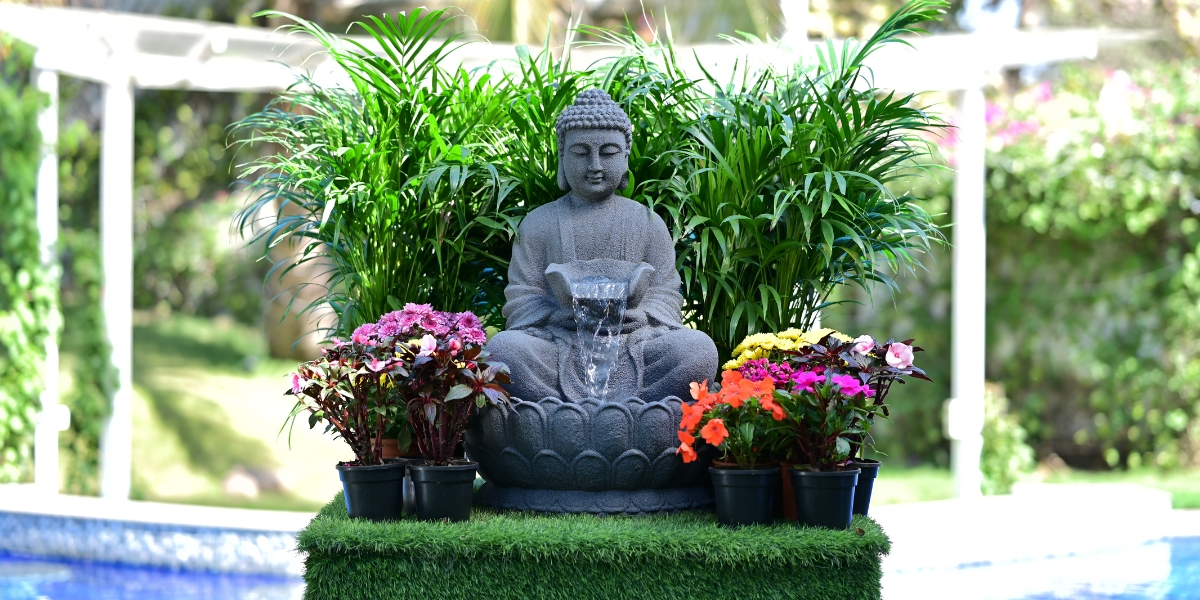
Outdoor Fountain For Garden
Transforming your yard with an outdoor fountain for garden beauty is the ultimate way to create a serene sanctuary. Whether you seek an outdoor garden water fountain to act as a centerpiece or a subtle modern water fountain for garden corners, these features add movement and life. A high-quality outdoor fountain for garden spaces not only enhances curb appeal but also provides the soothing white noise of trickling water. From traditional stone to sleek metal, selecting the perfect outdoor garden water fountain ensures your landscape remains a peaceful retreat for relaxation.Decorative Garden Fountains
Investing in decorative garden fountains allows you to blend artistic flair with nature’s tranquility. These pieces serve as essential garden fountains and outdoor decor, bridging the gap between architecture and the natural world. Many homeowners choose decorative garden fountains to express their personal style, ranging from ornate tiered basins to minimalist columns. By integrating garden fountains and outdoor decor into your patio or lawn, you create a sophisticated atmosphere. These fountains are more than just accessories; they are focal points that elevate the entire aesthetic value of your property.Fiber Glass Garden Fountains
For durability and ease of installation, fiber glass garden fountains are the preferred choice for modern landscapes. Unlike heavy concrete, a fiber glass garden fountain is lightweight yet incredibly resilient against harsh weather conditions. As a leading fiber fountain manufacturer, we focus on creating textures that mimic natural stone or bronze with superior longevity. Choosing a fiber glass garden fountain ensures your investment won’t crack during temperature shifts. For those seeking bespoke designs, consulting a professional fiber fountain manufacturer or a fiber fountain manufacturer in India guarantees a high-quality, long-lasting water feature.Outdoor Water Fountains
Exploring different outdoor water fountains is key to finding the right sound and scale for your backyard. Whether you prefer the bold splash of outdoor water fountains for gardens or the gentle trickle of a wall unit, the right flow rate matters. High-quality outdoor water fountains are designed to circulate water efficiently while resisting algae buildup. When shopping for outdoor water fountains for gardens, consider how the water’s movement will interact with your existing plants. These outdoor water fountains act as natural cooling agents, making your outdoor seating area much more comfortable.Garden Water Fountain For Home
Installing a garden water fountain for home use brings the luxury of a spa right to your doorstep. Beyond the visual appeal, outdoor water fountain decor creates a welcoming ambiance for guests and family alike. A garden water fountain for home is an excellent way to mask urban noise, providing a private bubble of peace. When selecting outdoor water fountain decor, look for energy-efficient pumps and easy-to-clean basins to minimize maintenance. Whether it is a small tabletop version or a large pedestal, a garden water fountain for home significantly improves your daily living environment.
There is something inherently magical about the sound of trickling water. It masks city noise, attracts local wildlife, and creates a focal point that transforms a simple backyard into a sanctuary. If you are looking to elevate your landscape, selecting the right outdoor fountain for garden spaces is the most impactful design choice you can make.
In this guide, we will explore everything from material choices to design styles, ensuring you find the perfect water feature to suit your aesthetic and functional needs.
Why Every Landscape Needs a Water Feature

Adding outdoor water fountains for gardens isn’t just about aesthetics; it’s about sensory layering. A well-placed fountain serves as a visual anchor while providing “white noise” that promotes relaxation.
Benefits of Decorative Garden Fountains
1. Stress Reduction:
The rhythmic sound of water lowers cortisol levels.
The rhythmic sound of water lowers cortisol levels.
2. Air Purification:
Moving water releases negative ions, which can improve air quality.
Moving water releases negative ions, which can improve air quality.
3. Wildlife Hub:
Outdoor water fountains act as a magnet for birds and butterflies.
Outdoor water fountains act as a magnet for birds and butterflies.
4. Property Value:
High-quality garden fountains and outdoor decor significantly boost curb appeal.
High-quality garden fountains and outdoor decor significantly boost curb appeal.
Choosing The Right Style: From Classic To Modern Outdoor Water Fountain Decor

Your fountain should be an extension of your home’s architecture. Whether you live in a sleek urban loft or a rustic farmhouse, there is a modern water fountain for garden styles that will fit perfectly.
1. Modern Garden Water Fountain Designs
If your home features clean lines and minimalist landscaping, a modern garden water fountain is the way to go. These often utilize geometric shapes spheres, cubes, or sheer descent walls. A modern water fountain for garden settings often uses materials like slate, stainless steel, or dark polished stone to create a sophisticated look.
2. Traditional Tiered Fountains
For those who prefer a classic “European estate” feel, tiered outdoor water fountains are iconic. These allow water to spill from one level to another, creating a louder, more robust sound that is perfect for drowning out nearby traffic.
3. Wall-Mounted Fountains
If you are short on space, an outdoor garden water fountain mounted to a wall or fence provides the ambiance of water without occupying valuable floor space. These are ideal for patios and courtyard gardens.
Material Matters: Why Fiber Glass Garden Fountains Are Leading The Market

When browsing for an outdoor fountain for garden use, you’ll encounter stone, concrete, ceramic, and fiberglass. However, fiber glass garden fountains have become the gold standard for residential use.
The Advantages of Fiber Glass Garden Fountains
1. Durability:
Unlike concrete, fiber doesn’t crack easily during freeze-thaw cycles.
Unlike concrete, fiber doesn’t crack easily during freeze-thaw cycles.
2. Lightweight:
You can move a fiber glass garden fountain without a construction crew.
You can move a fiber glass garden fountain without a construction crew.
3. Versatility:
It can be molded to look like natural stone, aged bronze, or sleek metal.
It can be molded to look like natural stone, aged bronze, or sleek metal.
If you are looking for high-quality craftsmanship, it is essential to source from a reputable fiber fountain manufacturer. In regions like South Asia, finding a reliable fiber fountain manufacturer in India can provide you with bespoke designs that are built to withstand tropical climates.
Technical Considerations for Your Garden Water Fountain for Home

Installing a garden water fountain for home use requires a bit of planning. Before you buy, consider these three factors:
Power Source
Most outdoor water fountain decor pieces require a standard electrical outlet to run the pump. If you don’t want to run wires through your lawn, consider solar-powered options, though they may be less powerful for larger displays.
Water Maintenance
To keep your outdoor garden water fountain sparkling, it is essential to prevent algae growth. Use distilled water if possible, or treat tap water with a fountain-safe clarifier.
Placement and Scale
A fountain that is too small will get lost in a large backyard, while a massive tiered fountain might overwhelm a small balcony. Ensure your garden fountains and outdoor decor are scaled appropriately to the surrounding plants and furniture.
Sourcing Quality: Finding the Right Manufacturer

Quality varies wildly in the world of garden decor. If you want a piece that lasts decades rather than seasons, look for a specialized fiber fountain manufacturer.
A professional fiber fountain manufacturer in India or international exporters often provide reinforced layering that prevents UV fading. When buying a garden water fountain for home use, check the pump’s GPH (Gallons Per Hour) rating to ensure the water flow matches your desired sound level.
Styling Tips for Outdoor Water Fountain Decor
Integrating your fountain into the landscape is what separates a “placed object” from a “designed garden.”
1. Surround with Greenery:
Use hostas, ferns, or ornamental grasses around the base of your outdoor water fountains for gardens to soften the edges.
Use hostas, ferns, or ornamental grasses around the base of your outdoor water fountains for gardens to soften the edges.
2. Add Lighting:
Use underwater LED spotlights to make your outdoor water fountain decor glow at night.
Use underwater LED spotlights to make your outdoor water fountain decor glow at night.
3. Incorporate Pebbles:
Fill the basin with river stones to change the acoustics of the splashing water.
Fill the basin with river stones to change the acoustics of the splashing water.
Conclusion
Investing in an outdoor fountain for garden beauty is an investment in your own peace of mind. Whether you choose a sleek modern garden water fountain or a grand tiered centerpiece, the presence of water will breathe new life into your outdoor living space.
By choosing durable materials from a trusted fiber fountain manufacturer, you ensure that your garden remains a beautiful retreat for years to come.
FAQ's
Most garden fountains operate as a recirculating system. A submersible pump sits in a reservoir (the basin) and pushes water through tubing to the top of the fountain. From there, gravity pulls the water back down over the decorative tiers or surfaces and into the basin to be reused. This closed-loop system means you don’t need a constant water line, though you must occasionally refill it to account for evaporation.
Yes, most fountains require power to run the pump. There are two main options:
- Plug-in: Connected to a standard outdoor GFCI electrical outlet for consistent, 24/7 flow.
- Solar-Powered: Uses solar panels to generate power. These are eco-friendly and cordless but may only run during daylight hours unless they have a battery backup.
- Select a Level Spot: Choose a stable, flat area near a power source.
- Prepare the Base: Clear debris and ensure the ground is firm.
- Assemble the Fountain: Place the pump in the basin and connect the internal tubing.
- Fill with Water: Add enough water to completely submerge the pump.
- Power On: Plug in the pump and adjust the flow valve to your preferred spray height.
Absolutely. Indoor fountains are popular for their aesthetic appeal and health benefits. They act as natural humidifiers and release negative ions that help purify the air. From a design perspective, a tabletop or wall-mounted fountain brings a sense of luxury and peace to a living room or home office.
The best choice depends on your space:
- Stone/Ceramic: Great for a natural, grounding look and durability.
- Fiberglass: Best for lightweight, easy-to-move designs with modern finishes.
- Metal (Copper/Steel): Ideal for a sleek, contemporary aesthetic.
- Vastu/Feng Shui Tip: Many people prefer “Buddha” or “Ganesha” fountains to invite positive energy and tranquility.
Generally, no. Most experts (including Vastu and Feng Shui practitioners) advise against placing water features in the bedroom. The constant movement of water can symbolize “restlessness,” which may disturb sleep or create emotional instability in a space meant for quiet rest. Additionally, the humidity could potentially lead to mold issues in smaller, unventilated rooms.
According to Vastu Shastra and modern interior design:
- Direction: The North, Northeast, or East corners are considered the most auspicious for water elements.
- Living Room: Near the main entrance is ideal, as it invites positive energy into the home.
- Flow Direction: Ensure the water flows inward toward the house (symbolizing wealth coming in) rather than outward toward the door.


