

Indoor Plants That Purify the Air
Transform your living space into a haven of fresh, clean oxygen with the power of indoor plants that purify the air. Beyond their aesthetic appeal, these green companions actively work as natural biofilters, diligently removing harmful Volatile Organic Compounds (VOCs) like formaldehyde, benzene, and trichloroethylene from your home. Backed by NASA’s Clean Air Study, plants absorb pollutants through their leaves, which are then neutralized by microorganisms in the soil. Integrating these living air purifiers is a simple yet effective strategy to combat indoor air pollution and significantly improve your household’s overall well-being.Top Indoor Plants for Air Purification
Ready to cleanse your home’s air? Our top indoor plants for air purification are scientifically proven to tackle common household toxins. The nearly indestructible Snake Plant removes formaldehyde and benzene, while the elegant Peace Lily excels at eliminating a broad spectrum of VOCs, including ammonia. Don’t overlook the versatile Pothos or the easy-care Spider Plant, both highly effective against multiple pollutants. These selections offer both beauty and significant air-cleaning capabilities, making them essential additions to any health-conscious home. Choose the best fit for your lighting and care preferences to start breathing easier.Small Indoor Plants Good for Health
Even small indoor plants good for health pack a powerful punch when it comes to improving your environment. Compact varieties like the Spider Plant, with its charming “spiderettes,” or the smaller Snake Plant varieties, are perfect for desks, shelves, and tight spaces. These tiny titans are efficient air purifiers, diligently working to remove common toxins and boost oxygen levels. Beyond air purification, their presence can reduce stress, enhance focus, and contribute to a more calming atmosphere. They’re an ideal choice for anyone seeking significant health benefits without requiring much space.Plants to Have in Your Home for Health
Incorporating plants to have in your home for health offers far more than just clean air. These living additions contribute holistically to your well-being, transforming your residence into a restorative sanctuary. Beyond filtering pollutants like formaldehyde and benzene, plants reduce stress, improve mood, and enhance concentration. They naturally humidify dry indoor air, alleviating respiratory discomfort and benefiting skin. From the serene Peace Lily to the robust Snake Plant, choosing the right greenery fosters a healthier, happier living environment, promoting both physical vitality and mental tranquility for all occupants.Indoor Plants for Home
Elevate your living spaces with indoor plants for home, blending natural beauty with tangible benefits. These versatile additions serve as stunning home decor elements, introducing vibrant colors, varied textures, and organic forms that instantly refresh any room. Whether you prefer cascading Pothos in a hanging basket, an architectural ZZ Plant on a shelf, or a lush Areca Palm transforming a corner, plants personalize your environment. Beyond aesthetics, they create a welcoming, natural ambiance while actively improving air quality and boosting overall well-being, making your house feel more like a home.
In our modern lives, we spend an astonishing amount of time indoors – often up to 90%. While our homes provide comfort and shelter, they can also trap a surprising array of invisible pollutants, silently impacting our health. From paints and cleaning products to furniture and even our clothing, common household items off-gas Volatile Organic Compounds (VOCs) like Formaldehyde, Benzene, and Trichloroethylene. These unseen adversaries can contribute to everything from headaches and allergies to more serious long-term health issues, leading to what’s often called “Sick Building Syndrome.”
Bringing nature indoors can significantly improve indoor air quality. For centuries, houseplants have enhanced our living spaces with beauty and positivity. More importantly, they help purify the air we breathe. This guide explores the science behind air-purifying plants and highlights the best options to create a healthier home environment.
The Green Lungs of Your Home: NASA's Clean Air Study
The idea that plants could significantly improve indoor air quality gained widespread scientific credibility thanks to a groundbreaking study conducted by NASA in 1989. In collaboration with the Associated Landscape Contractors of America (ALCA), NASA researchers were looking for ways to purify the air in spacecraft and proposed using common indoor plants as natural biofilters.
Their landmark study specifically focused on the ability of various oxygen indoor plants good for health to remove common VOCs from sealed chambers. They found that certain plants were remarkably effective at scrubbing the air of toxic agents such as formaldehyde (found in many building materials and cigarette smoke), benzene (in plastics, fabrics, and pesticides), trichloroethylene(in solvents, inks, paints), xylene (in rubber, leather, printing, paint), and ammonia (in cleaning products and fertilizers).
But how do plants achieve this remarkable feat? It’s a multi-faceted process
1. Leaf Absorption:
Plants absorb airborne pollutants through the tiny pores on their leaves, known as stomata, in the same way they absorb carbon dioxide for photosynthesis.
Plants absorb airborne pollutants through the tiny pores on their leaves, known as stomata, in the same way they absorb carbon dioxide for photosynthesis.
2. Root and Soil Microorganisms:
Once absorbed, pollutants are then transported down to the plant’s root system. Here, a symbiotic relationship with beneficial microorganisms in the soil plays a crucial role. These microbes break down the VOCs into harmless byproducts, effectively neutralizing them.
Once absorbed, pollutants are then transported down to the plant’s root system. Here, a symbiotic relationship with beneficial microorganisms in the soil plays a crucial role. These microbes break down the VOCs into harmless byproducts, effectively neutralizing them.
3. Transpiration:
As plants transpire (release water vapor into the air), they create a pumping action that draws contaminated air down towards their roots, enhancing the purification process. This also naturally humidifies your home, which can be beneficial for respiratory health and skin in dry climates.
As plants transpire (release water vapor into the air), they create a pumping action that draws contaminated air down towards their roots, enhancing the purification process. This also naturally humidifies your home, which can be beneficial for respiratory health and skin in dry climates.
While the NASA study was conducted in a closed environment, and real-world results will vary based on factors like room size, ventilation, and plant density, the core principle remains valid. Indoor plants do contribute to a healthier air quality, working as natural, living air filters, making them excellent house plants good for health.
More Than Just Clean Air: The Holistic Benefits of Indoor Plants
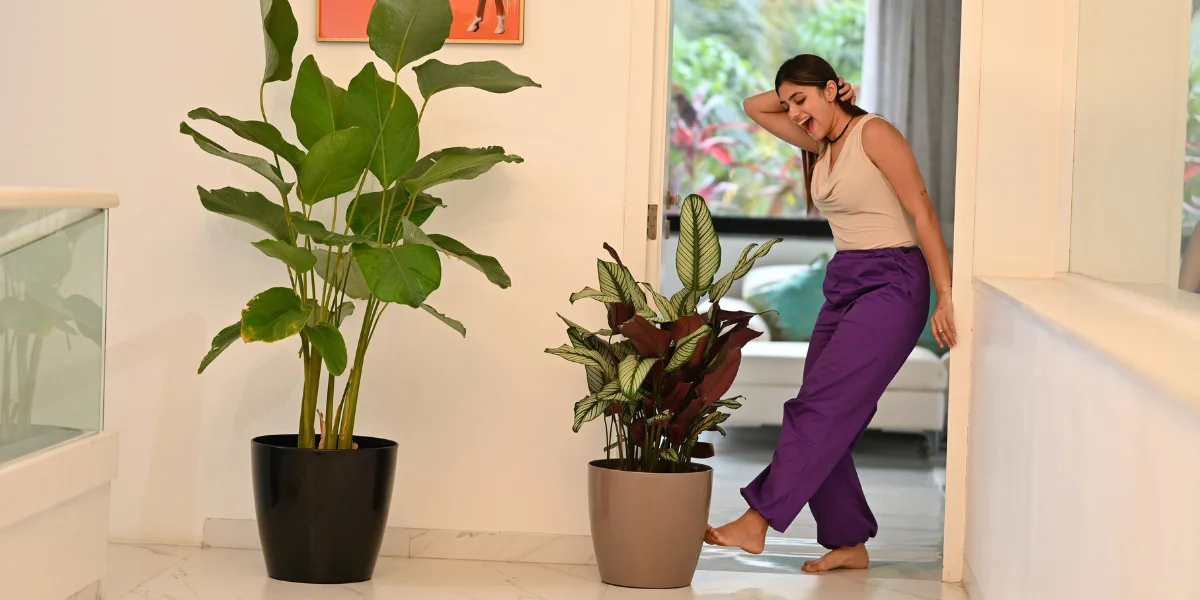
Beyond their extraordinary air-purifying capabilities, integrating indoor plants for home offers a wealth of additional benefits that enhance overall well-being:
• Boost Mood and Reduce Stress:
The mere presence of greenery has been shown to have a calming effect. This phenomenon, known as “biophilia,” suggests humans have an innate tendency to connect with nature. Studies indicate that interacting with plants can lower blood pressure, reduce feelings of anxiety, and promote a sense of tranquillity. This aspect makes them feel like positive energy plants.
• Increase Productivity and Concentration:
For those working or studying from home, plants for office can be invaluable. Research suggests that green spaces can improve focus, enhance creativity, and even lead to a reduction in minor ailments, making you more efficient and comfortable in your workspace.
For those working or studying from home, plants for office can be invaluable. Research suggests that green spaces can improve focus, enhance creativity, and even lead to a reduction in minor ailments, making you more efficient and comfortable in your workspace.
• Enhance Aesthetics and Home Decor:
Let’s not forget the obvious – plants are beautiful! They make excellent home decor plants, adding vibrant color, texture, and life to any room, instantly upgrading your home’s aesthetic appeal and creating a more inviting atmosphere.
Let’s not forget the obvious – plants are beautiful! They make excellent home decor plants, adding vibrant color, texture, and life to any room, instantly upgrading your home’s aesthetic appeal and creating a more inviting atmosphere.
• Increase Productivity and Concentration:
For those working or studying from home, plants for office can be invaluable. Research suggests that green spaces can improve focus, enhance creativity, and even lead to a reduction in minor ailments, making you more efficient and comfortable in your workspace.
For those working or studying from home, plants for office can be invaluable. Research suggests that green spaces can improve focus, enhance creativity, and even lead to a reduction in minor ailments, making you more efficient and comfortable in your workspace.
• Natural Humidifiers:
As mentioned, plants release water vapor during transpiration, helping to naturally increase humidity levels indoors. This can be particularly beneficial during dry winter months, potentially alleviating dry skin, scratchy throats, and static electricity.
As mentioned, plants release water vapor during transpiration, helping to naturally increase humidity levels indoors. This can be particularly beneficial during dry winter months, potentially alleviating dry skin, scratchy throats, and static electricity.
Your Green Army: Top Indoor Plants for Air Purification
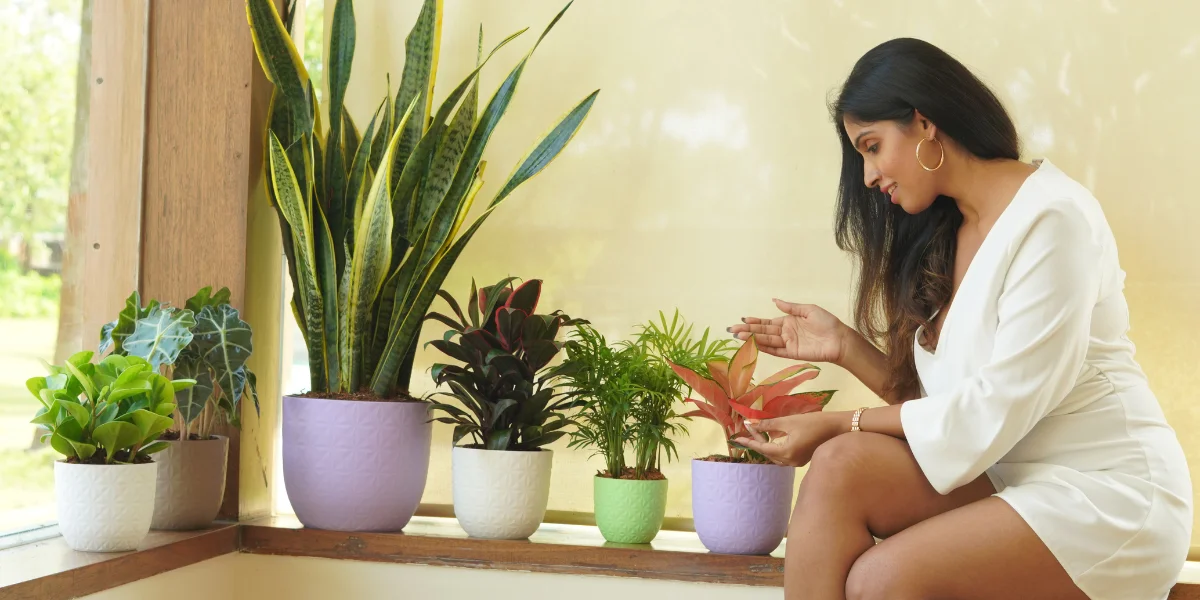
Ready to transform your home into a fresh air oasis? Here are some of the best air-purifying plants, known for their effectiveness and relatively easy care, truly the plants to have in your home for health:
1. Snake Plant (Sansevieria trifasciata)
• Pollutants Targeted:
Formaldehyde,Trichloroethylene, Xylene, Benzene.
• Care Level:
Extremely easy.
Extremely easy.
• Why it’s great:
Often called “mother-in-law’s tongue,” the snake plant is nearly indestructible, tolerates neglect, and can survive in very low light conditions, making it one of the best low light indoor plants. Uniquely, it converts CO2 into oxygen at night, making it perfect for bedrooms. It’s also remarkably drought-tolerant.
Often called “mother-in-law’s tongue,” the snake plant is nearly indestructible, tolerates neglect, and can survive in very low light conditions, making it one of the best low light indoor plants. Uniquely, it converts CO2 into oxygen at night, making it perfect for bedrooms. It’s also remarkably drought-tolerant.
• Tip:
Allow soil to dry out completely between waterings. Overwatering is its only real enemy.
Allow soil to dry out completely between waterings. Overwatering is its only real enemy.
2. Chlorophytum comosum
• Pollutants Targeted:
Formaldehyde, Xylene, Carbon monoxide.
Formaldehyde, Xylene, Carbon monoxide.
• Care Level:
Easy
Easy
• Why it’s great:
Famous for its cascading “spiderettes” (baby plants), the spider plant is not only visually appealing but also one of the easiest and most effective air purifiers. It’s non-toxic, making it safe for homes with pets and children, making them great small indoor plants good for health.
• Tip:
Thrives in bright, indirect light and prefers slightly moist soil, but can tolerate some drying out.
Thrives in bright, indirect light and prefers slightly moist soil, but can tolerate some drying out.
3. Peace Lily (Spathiphyllum)
• Pollutants Targeted:
Benzene, Formaldehyde, Trichloroethylene, Ammonia.
Benzene, Formaldehyde, Trichloroethylene, Ammonia.
• Care Level:
Moderate.
Moderate.
• Why it’s great:
Elegant white “flowers” (actually modified leaves called spathes) and glossy green foliage make the Peace Lily a popular choice. It’s a champion at removing a broad spectrum of VOCs, including ammonia found in cleaning products. .
Elegant white “flowers” (actually modified leaves called spathes) and glossy green foliage make the Peace Lily a popular choice. It’s a champion at removing a broad spectrum of VOCs, including ammonia found in cleaning products. .
• Tip:
Prefers low to medium indirect light and consistently moist soil. It will tell you when it needs water by dramatically drooping its leaves. Keep away from pets as it is toxic if ingested. .
Prefers low to medium indirect light and consistently moist soil. It will tell you when it needs water by dramatically drooping its leaves. Keep away from pets as it is toxic if ingested. .
4. Pothos (Epipremnum aureum)
• Pollutants Targeted:
Formaldehyde, xylene, toluene, benzene, carbon monoxide.
Formaldehyde, xylene, toluene, benzene, carbon monoxide.
• Care Level:
Easy
Easy
• Why it’s great:
Also known as Devil’s Ivy, Pothos is incredibly versatile and forgiving. Its trailing vines look fantastic in hanging baskets or climbing shelves in pots with plants. It’s excellent for beginners due to its resilience.
Also known as Devil’s Ivy, Pothos is incredibly versatile and forgiving. Its trailing vines look fantastic in hanging baskets or climbing shelves in pots with plants. It’s excellent for beginners due to its resilience.
• Tip:
Tolerates low light but thrives in bright, indirect light. Allow the top inch or two of soil to dry before watering. Toxic to pets if ingested.
Tolerates low light but thrives in bright, indirect light. Allow the top inch or two of soil to dry before watering. Toxic to pets if ingested.
5. Chinese Evergreen (Aglaonema)
• Pollutants Targeted
Formaldehyde, benzene.
Formaldehyde, benzene.
• Care Level
Easy.
Easy.
• Why it’s great:
Known for its stunning variegated leaves, available in shades of green, silver, and red, the Chinese Evergreen is a beautiful addition to any room. It’s incredibly tolerant of low light conditions, another excellent example of low light indoor plants. .
Known for its stunning variegated leaves, available in shades of green, silver, and red, the Chinese Evergreen is a beautiful addition to any room. It’s incredibly tolerant of low light conditions, another excellent example of low light indoor plants. .
• Tip:
Thrives in medium to low indirect light and warm, humid conditions. Keep soil consistently moist but not soggy. Toxic to pets.
Thrives in medium to low indirect light and warm, humid conditions. Keep soil consistently moist but not soggy. Toxic to pets.
6. Areca Palm (Dypsis lutescens)
• Pollutants Targeted:
Formaldehyde, xylene, toluene, carbon monoxide.
Formaldehyde, xylene, toluene, carbon monoxide.
• Care Level:
Moderate
Moderate
• Why it’s great:
This graceful palm acts as a natural humidifier and is highly effective at removing toxins, especially formaldehyde. Its lush, feathery fronds add a tropical feel to any space.
This graceful palm acts as a natural humidifier and is highly effective at removing toxins, especially formaldehyde. Its lush, feathery fronds add a tropical feel to any space.
• Tip:
Prefers bright, indirect light and consistently moist soil. Can be sensitive to fluoride in water. Non-toxic to pets.
Prefers bright, indirect light and consistently moist soil. Can be sensitive to fluoride in water. Non-toxic to pets.
7. Dracaena (various types, e.g., 'Janet Craig', 'Marginata')
• Pollutants Targeted:
Benzene, Formaldehyde, Trichloroethylene, Xylene.
Benzene, Formaldehyde, Trichloroethylene, Xylene.
• Care Level:
Easy to moderate.
Easy to moderate.
• Why it’s great:
With many varieties offering diverse leaf shapes and colors, Dracaenas are popular for their elegant, upright forms. They are hardy plants that can tolerate some neglect and low light, making them good indoor plants for many settings.
With many varieties offering diverse leaf shapes and colors, Dracaenas are popular for their elegant, upright forms. They are hardy plants that can tolerate some neglect and low light, making them good indoor plants for many settings.
• Tip:
Water thoroughly and then allow the top soil to dry out before watering again. Dracaenas are sensitive to fluoride; use distilled or rainwater if possible. Toxic to pets.
Water thoroughly and then allow the top soil to dry out before watering again. Dracaenas are sensitive to fluoride; use distilled or rainwater if possible. Toxic to pets.
8. ZZ Plant (Zamioculcas zamiifolia)
• Pollutants Targeted:
Xylene, Toluene, Benzene, Ethylbenzene.
Xylene, Toluene, Benzene, Ethylbenzene.
• Care Level:
Extremely easy
Extremely easy
• Why it’s great:
The ZZ Plant is the ultimate choice for those who often forget to water. Its waxy, dark green leaves and upright stalks make a striking architectural statement. It can survive in extremely low light and prolonged periods of drought, cementing its status as one of the best low light indoor plants.
The ZZ Plant is the ultimate choice for those who often forget to water. Its waxy, dark green leaves and upright stalks make a striking architectural statement. It can survive in extremely low light and prolonged periods of drought, cementing its status as one of the best low light indoor plants.
• Tip:
Water very sparingly – it’s better to underwater than overwater. Thrives on neglect! Toxic to pets.
Water very sparingly – it’s better to underwater than overwater. Thrives on neglect! Toxic to pets.
8. ZZ Plant (Zamioculcas zamiifolia)
• Pollutants Targeted:
Formaldehyde, Xylene.
Formaldehyde, Xylene.
• Care Level:
Moderate
Moderate
• Why it’s great:
These classic ferns are excellent humidifiers and highly effective at removing formaldehyde, a common pollutant. Their lush, arching fronds add a soft, natural texture to any room.
These classic ferns are excellent humidifiers and highly effective at removing formaldehyde, a common pollutant. Their lush, arching fronds add a soft, natural texture to any room.
• Tip:
Requires consistently moist soil and high humidity, making them ideal for bathrooms or kitchens. Mist regularly. Non-toxic to pets.
Requires consistently moist soil and high humidity, making them ideal for bathrooms or kitchens. Mist regularly. Non-toxic to pets.
Your Green Army: Top Indoor Plants for Air Purification
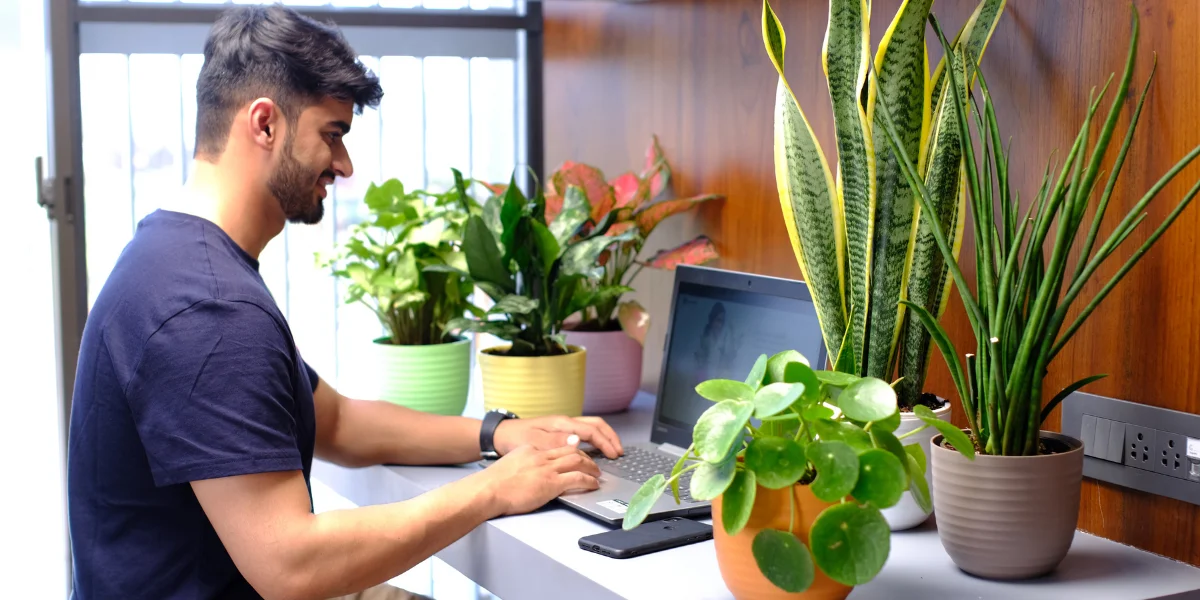
To maximize the air-purifying benefits of your indoor plants, consider these practical tips:
• Quantity Matters:
While every plant helps, for noticeable air purification, a general recommendation is to have at least one plant in a 6-8 inch pot per 100 square feet of living space. More pots with plants are always better if you have the room and light.
While every plant helps, for noticeable air purification, a general recommendation is to have at least one plant in a 6-8 inch pot per 100 square feet of living space. More pots with plants are always better if you have the room and light.
• Strategic Placement:
Place plants in areas where you spend the most time or where pollutant sources are common. Near furniture, electronics, and in high-traffic rooms like living areas and bedrooms are ideal.
Place plants in areas where you spend the most time or where pollutant sources are common. Near furniture, electronics, and in high-traffic rooms like living areas and bedrooms are ideal.
• Clean the Leaves:
Dust accumulation on leaves can hinder a plant’s ability to absorb pollutants and photosynthesize. Regularly wipe down leaves with a soft, damp cloth to keep them efficient and vibrant.
Dust accumulation on leaves can hinder a plant’s ability to absorb pollutants and photosynthesize. Regularly wipe down leaves with a soft, damp cloth to keep them efficient and vibrant.
• Proper Watering and Drainage:
Overwatering can lead to root rot, which harms the plant and reduces its purification power. Ensure your indoor pots for plants have drainage holes and only water when the topsoil indicates it’s needed for that specific plant.
Overwatering can lead to root rot, which harms the plant and reduces its purification power. Ensure your indoor pots for plants have drainage holes and only water when the topsoil indicates it’s needed for that specific plant.
• Repotting:
As plants grow, their root systems expand. Repotting into a slightly larger container every 1-2 years allows for continued healthy growth and keeps the soil microorganisms thriving.
As plants grow, their root systems expand. Repotting into a slightly larger container every 1-2 years allows for continued healthy growth and keeps the soil microorganisms thriving.
Important Considerations
While incredibly beneficial, it’s crucial to remember a few points:
• Pet and Child Safety:
Many common houseplants are toxic if ingested by pets or small children. Always research a plant’s toxicity before bringing it home, especially if you have curious companions.
Many common houseplants are toxic if ingested by pets or small children. Always research a plant’s toxicity before bringing it home, especially if you have curious companions.
• Complement, Not Replacement:
Plants are a fantastic natural solution, but they are not a substitute for proper ventilation or high-efficiency air purifiers in homes with severe air quality issues. They work best as a complementary measure.
Plants are a fantastic natural solution, but they are not a substitute for proper ventilation or high-efficiency air purifiers in homes with severe air quality issues. They work best as a complementary measure.
• Choose Wisely:
Select plants that match your home’s light conditions and your personal commitment to care. A thriving plant is an effective plant.
Select plants that match your home’s light conditions and your personal commitment to care. A thriving plant is an effective plant.
Embrace Your Green Journey
Integrating air-purifying indoor plants into your home is a simple yet powerful way to enhance your environment. By understanding the science and choosing the right green companions, you’re not just decorating; you’re actively creating a healthier, more vibrant living space. So, take a deep breath, pick your favorites, and start your journey towards a naturally cleaner and more serene home today with these amazing indoor plants for home. Your lungs (and your mood) will thank you for it!
FAQ's
Yes, absolutely! The NASA Clean Air Study confirmed that many indoor plants absorb common airborne toxins like formaldehyde and benzene through their leaves and root systems, significantly improving indoor air quality.
While many are effective, the Peace Lily is a champion, removing a broad spectrum of VOCs. Snake Plants are also highly effective, especially for nighttime oxygen production and common toxins.
Plants like Snake Plant, Spider Plant, Peace Lily, Pothos, and Chinese Evergreen are excellent for removing toxins such as formaldehyde, benzene, and xylene from your indoor environment.
For noticeable air purification, a general guideline is to have at least one plant in a 6-8 inch pot per 100 square feet of living space. More plants will yield greater benefits.
Snake Plants, Spider Plants, Pothos, and ZZ Plants are excellent, low-maintenance choices. They require minimal attention while effectively filtering common household toxins and improving air quality.
For low-light purification, consider the Snake Plant, ZZ Plant, or Chinese Evergreen. These resilient plants can thrive in less sunny spots while actively removing airborne pollutants.


