
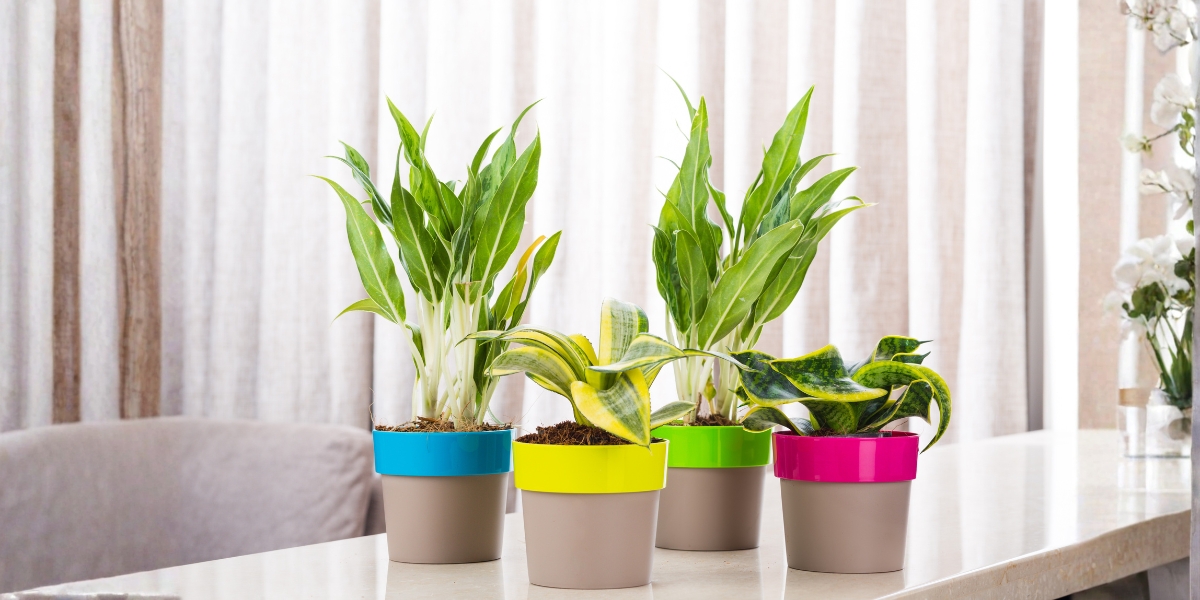
What Indoor Plants Are Best For Oxygen
Transform your living spaces into healthier havens by discovering which indoor plants are true powerhouses for boosting oxygen levels. These botanical champions excel at photosynthesis, actively absorbing carbon dioxide and releasing vital oxygen, alongside filtering airborne toxins. Delve into the specific species known for their exceptional air-purifying capabilities, ensuring your home benefits from cleaner, fresher air and contributing to a better sense of well-being for everyone under your roof.Indoor Plants For Oxygen In India
Explore the perfect selection of indoor plants tailored for oxygen production that not only thrive but also enhance air quality within Indian homes. These resilient and culturally significant species are adept at filtering common pollutants while enriching your environment with fresh oxygen, even in varied climates. Whether you seek traditional remedies like Tulsi or popular choices like the Money Plant, integrating these specific plants is an ideal way to combine natural beauty with superior air purification for a vibrant and healthy home.House Plants Good For Health
Integrating house plants into your living environment offers far more than just aesthetic appeal; they are genuine, living contributors to your overall health and well-being. These natural air purifiers actively work to remove harmful airborne toxins like formaldehyde and benzene, simultaneously boosting oxygen levels throughout your home. Beyond the physical benefits, their presence has been shown to reduce stress, improve mood, and enhance concentration, making them essential for cultivating a healthier, more serene, and balanced indoor sanctuary.Highest Oxygen Producing Plants
Uncover the elite group of plants that stand out as the highest oxygen producers, tirelessly working to cleanse and revitalize your indoor air. These exceptional species utilize advanced photosynthetic processes to efficiently convert carbon dioxide into life-sustaining oxygen, often identified through rigorous scientific studies. By maximizing air purification and continuously supplying fresh, clean air, these powerful botanical allies create a noticeably healthier atmosphere, actively combating indoor pollutants and fostering an environment conducive to better breathing and overall vitality in your home.Plants For Home
Elevate your interior design and personal well-being by thoughtfully incorporating plants into your home decor. These versatile botanical elements infuse living spaces with natural beauty, vibrant color, and an undeniable sense of calm, transforming ordinary rooms into inviting sanctuaries. From creating striking visual accents to adding a touch of personalized greenery, selecting the right plants for home settings can dramatically enhance ambiance, connect you with nature, and foster a more refreshing and inspiring living environment for all.
In our modern lives, we spend an overwhelming amount of time indoors, up to 90%, according to some studies. With airtight insulation and synthetic building materials, our homes can sometimes trap stale air and pollutants. While technology offers air purifiers, nature provides a more organic, aesthetically pleasing solution.
When homeowners ask, “What indoor plants are best for oxygen?”, they are usually looking for a dual-purpose solution: greenery that beautifies a space while simultaneously working to improve the air quality. This guide explores the science behind plant respiration, provides a curated list of indoor plants for oxygen, and offers tips on how to care for these botanical air filters.
The Science of Indoor Jungle: House Plants Good for Health

Before diving into specific species, it is helpful to understand the mechanism. Through photosynthesis, plants absorb carbon dioxide and release oxygen. However, a groundbreaking study by NASA in 1989 revealed that many houseplants also scrub the air of Volatile Organic Compounds (VOCs) like benzene, formaldehyde, and trichloroethylene.
While you would need a veritable forest to completely replicate a mechanical air filter, adding house plants good for health creates a microclimate that boosts humidity, reduces dust, and increases oxygen levels. The goal is to choose plants with high transpiration rates and large surface areas for maximum gas exchange.
The Night-Time Oxygen Boosters
Most plants release oxygen during the day and switch to releasing small amounts of carbon dioxide at night. However, a specific group of plants performs Crassulacean Acid Metabolism (CAM), allowing them to release oxygen even after the sun goes down. These are arguably the highest oxygen-producing plants for your bedroom.
1. Snake Plant (Sansevieria / Dracaena trifasciata)
Often called “Mother-in-Law’s Tongue,” this architectural beauty is a top contender on any list of indoor plants for oxygen.
1. Why it works:
It is one of the rare plants that converts CO2 into oxygen at night.
It is one of the rare plants that converts CO2 into oxygen at night.
2. Care:
It is virtually indestructible. It thrives in low light and needs very little water. In fact, overwatering is the only way to kill it.
It is virtually indestructible. It thrives in low light and needs very little water. In fact, overwatering is the only way to kill it.
3. Placement:
Place a Snake Plant on your bedside table to improve air quality while you sleep.
Place a Snake Plant on your bedside table to improve air quality while you sleep.
2. Aloe Vera
Known primarily for its healing gel, Aloe Vera is also a powerhouse for air quality. Like the Snake Plant, it releases oxygen at night.
1. Why it works:
Beyond oxygen, it is excellent at detecting high chemical levels; its leaves will develop brown spots if the air is heavily polluted with harmful chemicals.
Beyond oxygen, it is excellent at detecting high chemical levels; its leaves will develop brown spots if the air is heavily polluted with harmful chemicals.
2. Care:
It loves a sunny windowsill and well-draining soil. It is a succulent, so let the soil dry out completely between waterings.
It loves a sunny windowsill and well-draining soil. It is a succulent, so let the soil dry out completely between waterings.
The Daytime Powerhouses
For living rooms and home offices, you want plants that pump out oxygen while you are active during the day. These are excellent plants, good for home environments where focus and energy are needed.
3. Areca Palm (Dypsis lutescens)
If you have the space for a floor plant, the Areca Palm is a biological machine. It is consistently rated as one of the highest oxygen-producing plants due to its sheer size and the surface area of its fronds.
1. Why it works:
It transpires at a high rate, releasing plenty of moisture into the air, which is great for dry, air-conditioned rooms. It is widely considered one of the best indoor plants for oxygen in India and other tropical climates because it thrives in humidity.
It transpires at a high rate, releasing plenty of moisture into the air, which is great for dry, air-conditioned rooms. It is widely considered one of the best indoor plants for oxygen in India and other tropical climates because it thrives in humidity.
2. Care:
It prefers bright, indirect light and consistent moisture without being waterlogged.
It prefers bright, indirect light and consistent moisture without being waterlogged.
4. Spider Plant (Chlorophytum comosum)
The Spider Plant is a classic for a reason. It is safe for pets and incredibly resilient.
1. Why it works:
NASA’s research highlighted the Spider Plant’s ability to remove formaldehyde quickly, some tests showed removal of 95% of toxins in a sealed chamber. It is a staple on any list of indoor plants for oxygen.
NASA’s research highlighted the Spider Plant’s ability to remove formaldehyde quickly, some tests showed removal of 95% of toxins in a sealed chamber. It is a staple on any list of indoor plants for oxygen.
2. Care:
Tolerates a wide range of light conditions. It produces “spiderettes” (baby plants) that you can easily propagate and share.
Tolerates a wide range of light conditions. It produces “spiderettes” (baby plants) that you can easily propagate and share.
5. Pothos (Epipremnum aureum)
Also known as Devil’s Ivy, this trailing vine is perfect for high shelves or hanging baskets.
1. Why it works:
It is rated highly for removing indoor pollutants like benzene and xylene. Its fast growth rate means it is constantly processing air.
It is rated highly for removing indoor pollutants like benzene and xylene. Its fast growth rate means it is constantly processing air.
2. Care:
It is incredibly forgiving. It can survive in low light and withstand erratic watering, making it one of the easiest plants for home maintenance.
It is incredibly forgiving. It can survive in low light and withstand erratic watering, making it one of the easiest plants for home maintenance.
Flowering Air Purifiers
Who says air purification has to be all green? Some flowering plants are excellent at filtering toxins, doubling as beautiful home decor plants.
6. Peace Lily (Spathiphyllum)
With its glossy dark leaves and white spathes, the Peace Lily is elegant and functional.
1. Why it works:
It is effective at breaking down mold spores and acetone. It adds humidity to a room by up to 5%, which can alleviate dry noses and throats.
It is effective at breaking down mold spores and acetone. It adds humidity to a room by up to 5%, which can alleviate dry noses and throats.
2. Care:
It will droop dramatically when it needs water, telling you exactly when it’s thirsty. It prefers medium to low light. Note: It is toxic to cats and dogs if ingested.
It will droop dramatically when it needs water, telling you exactly when it’s thirsty. It prefers medium to low light. Note: It is toxic to cats and dogs if ingested.
7. Chrysanthemum (Chrysanthemum morifolium)
While often grown outdoors, “mums” are incredible temporary indoor residents.
1. Why it works:
They are ranked very high for removing ammonia, benzene, and formaldehyde. They are colorful home decor plants that brighten a room while cleaning it.
They are ranked very high for removing ammonia, benzene, and formaldehyde. They are colorful home decor plants that brighten a room while cleaning it.
2. Care:
They need bright light to bloom. Unlike the foliage plants, these are often kept for their blooming season and then moved outside or composted.
They need bright light to bloom. Unlike the foliage plants, these are often kept for their blooming season and then moved outside or composted.
Best Indoor Plants for Oxygen in India and Tropical Climates
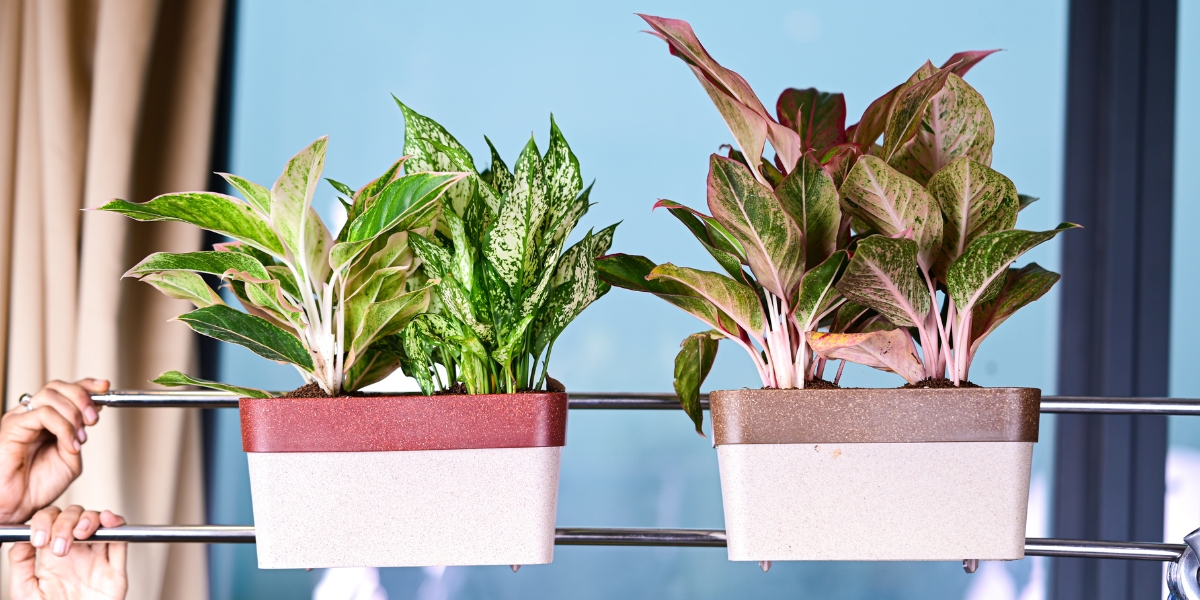
Climate plays a huge role in how well a plant performs. If you are living in a warmer region, certain species will thrive and produce more oxygen than others.
The best indoor plants for oxygen in India often include the Holy Basil (Tulsi) and the Money Plant.
1. Tulsi (Holy Basil):
Revered in India, it is believed to emit oxygen for 20 hours a day and ozone for 4 hours a day. It requires plenty of sunlight and regular watering.
Revered in India, it is believed to emit oxygen for 20 hours a day and ozone for 4 hours a day. It requires plenty of sunlight and regular watering.
2. Money Plant (Pothos):
As mentioned earlier, this grows aggressively in tropical climates. It is considered auspicious in Vastu Shastra and is one of the most popular indoor plants for oxygen at home in South Asia.
As mentioned earlier, this grows aggressively in tropical climates. It is considered auspicious in Vastu Shastra and is one of the most popular indoor plants for oxygen at home in South Asia.
Creating Your Green Sanctuary: Styling and Placement
Knowing what indoor plants are best for oxygen is step one; step two is integrating them into your life. Using home decor plants effectively requires considering light, flow, and aesthetics.
1. Cluster for Impact:
Grouping plants together creates a small pocket of higher humidity and oxygen. Try placing an Areca Palm in the corner behind a cluster of smaller Snake Plants and Peace Lilies. This creates a “jungle” look and concentrates the air-purifying benefits.
Grouping plants together creates a small pocket of higher humidity and oxygen. Try placing an Areca Palm in the corner behind a cluster of smaller Snake Plants and Peace Lilies. This creates a “jungle” look and concentrates the air-purifying benefits.
2. Vertical Gardens:
If floor space is tight, use hanging planters for Spider Plants or Pothos. This keeps the indoor plants for oxygen at home up and out of the way while still providing benefits.
If floor space is tight, use hanging planters for Spider Plants or Pothos. This keeps the indoor plants for oxygen at home up and out of the way while still providing benefits.
3. The Bedroom Rule:
Focus on the CAM plants (Snake Plant, Aloe Vera) for the bedroom. Since you spend roughly 8 hours here, this is the most critical room for oxygen quality.
Focus on the CAM plants (Snake Plant, Aloe Vera) for the bedroom. Since you spend roughly 8 hours here, this is the most critical room for oxygen quality.
Maintenance: Keeping the Oxygen Flowing
To ensure your house plants, which are good for health, remain efficient, they need basic maintenance beyond watering.
1. Dust the Leaves:
A layer of dust on a leaf blocks sunlight and clogs the stomata (pores) through which plants breathe. Wipe leaves down with a damp cloth every two weeks. This simple step ensures they remain the highest oxygen-producing plants they can be.
A layer of dust on a leaf blocks sunlight and clogs the stomata (pores) through which plants breathe. Wipe leaves down with a damp cloth every two weeks. This simple step ensures they remain the highest oxygen-producing plants they can be.
2. Ensure Drainage:
Root rot is the enemy. Ensure all pots have drainage holes so roots don’t sit in stagnant water.
Root rot is the enemy. Ensure all pots have drainage holes so roots don’t sit in stagnant water.
3. Repot When Necessary:
If roots are growing out of the bottom, the plant is root-bound. Giving it more soil allows for more root growth, which supports more foliage and more oxygen production.
If roots are growing out of the bottom, the plant is root-bound. Giving it more soil allows for more root growth, which supports more foliage and more oxygen production.
Conclusion
Incorporating greenery into your living space is a scientifically backed method to improve your quality of life. Whether you choose the resilient Snake Plant, the lush Areca Palm, or the trailing Pothos, you are making a conscious decision to filter your air naturally.
By selecting from this list of indoor plants for oxygen, you aren’t just decorating; you are creating a living ecosystem. These house plants are good for health work silently around the clock, reducing toxins and boosting oxygen levels to help you focus better during the day and sleep more deeply at night.
So, when considering indoor plants for oxygen at home, remember that diversity is key. Mix night-breathers with day-breathers, combine tall palms with trailing vines, and enjoy the fresh, vibrant atmosphere that only nature can provide. The best indoor plants for oxygen in India or anywhere in the world are ultimately the ones that you enjoy caring for, as a healthy, thriving plant is the best air purifier of all.
FAQ's
The indoor plants that produce the highest amount of oxygen are typically those with large surface areas or high transpiration rates. The Areca Palm and Spider Plant are widely cited as top oxygen producers.
- Areca Palm: Known for efficient gas exchange and producing significant moisture.
- Spider Plant: Renowned for rapid oxygen production and toxin removal.
- Snake Plant: Highly efficient, especially in low light.
- Pothos (Money Plant): A fast-growing vine that constantly processes air.
While most plants release carbon dioxide at night, a specific group of plants performs Crassulacean Acid Metabolism (CAM), allowing them to release oxygen after dark. These are ideal for bedrooms.
- Snake Plant (Mother-in-Law’s Tongue): The most popular choice for night-time oxygen.
- Aloe Vera: Releases oxygen at night and monitors air quality.
- Orchids: Many varieties absorb CO2 and release oxygen while you sleep.
- Areca Palm: Often cited as capable of night-time oxygen release alongside day-time production.
According to Feng Shui and Vastu Shastra, the Jade Plant and the Money Plant (Pothos) are believed to attract wealth while improving physical health through air purification.
- Jade Plant (Crassula ovata): Symbolizes good luck and prosperity; known for long life and resilience.
- Money Plant (Pothos): Believed to bring financial abundance; scientifically proven to filter airborne toxins like benzene.
- Lucky Bamboo: Associated with luck and prosperity; improves humidity levels indoors.
“Oxygen plants” is a common term used to describe plants that are exceptionally efficient at photosynthesis and air purification. While all plants produce oxygen, this category refers to species identified by studies (like the NASA Clean Air Study) as superior for:
- High Oxygen Output: Releasing more oxygen per square inch of leaf surface.
- Air Scrubbing: Removing volatile organic compounds (VOCs) like formaldehyde.
- Indoor Resilience: Thriving in lower light conditions found inside homes.
- Examples: Snake Plant, Peace Lily, Rubber Plant, and Tulsi (Holy Basil).
Most indoor plants release oxygen during the day when they are exposed to sunlight (photosynthesis).
- Daytime: Plants absorb Carbon Dioxide (CO2) and light to produce sugars for growth, releasing Oxygen (O2) as a byproduct.
- Nighttime: Without light, most plants switch to respiration, absorbing Oxygen and releasing a small amount of CO2.
- Exceptions: As noted above, CAM plants like Snake Plants and Aloe Vera defy this rule and release oxygen at night.
The best plant for oxygen at home depends on the room and lighting, but the Snake Plant is the best overall choice for versatility and 24-hour benefits.
- Best All-Rounder: Snake Plant (Hard to kill, night-time oxygen).
- Best for Living Rooms: Areca Palm (High volume oxygen production).
- Best for Kitchens: Spider Plant (Removes pollutants from cooking/gas).
- Best for Desks: Rubber Plant (Compact varieties produce high oxygen).


