
Choosing the right plant for a self-watering pot can make a significant difference in how successfully it grows. While self-watering pots are designed to make plant care easier by providing a consistent supply of moisture, not every plant has the same watering requirements.
Some plants thrive when their roots have access to steady moisture, while others prefer their soil to dry out between watering. Understanding these differences can help you select plants that benefit from a self-watering system and avoid varieties that may struggle with consistently moist conditions.
This guide explores the best plants for self-watering pots, the plants you should avoid, and practical tips for choosing the right plant for your home decor, balcony, office, or outdoor garden.
What are the best plants to grow in self-watering pots?
Peace Lily, Pothos, Spider Plant, Philodendron, Basil, Mint, Lettuce, Spinach, Begonias, and Anthuriums are some good choices because they generally benefit from consistent moisture.
Are self-watering pots suitable for all types of plants?
No. Plants have different moisture requirements. Plants that prefer consistently moist soil are generally better suited, while drought-tolerant plants may need a different watering setup.
Which plants should be avoided in self-watering pots?
Cacti, many succulents, Aloe Vera, and Jade Plants are generally better suited to containers that allow the soil to dry between watering. Excess moisture may create unsuitable conditions for their roots.
Can flowering plants and herbs grow in self-watering pots?
Yes. Many flowering plants and herbs can thrive in self-watering pots. Begonias, Impatiens, Anthuriums, Basil, Mint, Parsley, and Coriander can benefit from a consistent moisture supply when grown in suitable potting mix.
How do I know if a plant is suitable for a self-watering pot?
Check the plant’s natural watering requirements. Plants described as preferring evenly moist or consistently moist, well-drained soil are usually good candidates for self-watering pots.
What Makes a Plant Suitable for a Self-Watering Pot?
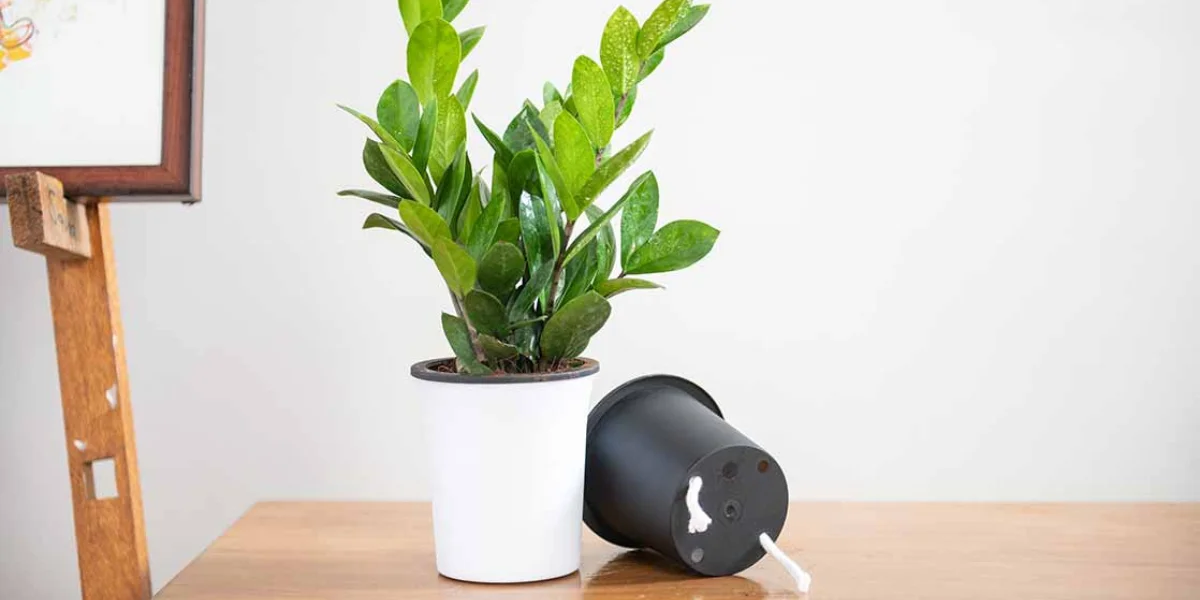
Self-watering pots typically contain a water reservoir that supplies moisture to the growing medium through capillary action or a wicking system. Instead of relying entirely on frequent top watering, the plant can draw moisture from below as needed.
Have moderate to high water requirements
Grow actively with consistent moisture
Do not tolerate prolonged dry soil
Benefit from a stable moisture supply
However, a self-watering pot does not mean that every plant should remain constantly wet. Proper soil, drainage, reservoir management, and plant selection are still essential.
What type of plants are best suited for self-watering pots?
Plants that prefer consistently moist but well-drained soil are generally the best candidates. They benefit from a steady moisture supply without requiring frequent manual watering.
Does a plant’s natural habitat affect whether it is suitable for a self-watering pot?
Yes. Plants naturally found in humid or moisture-rich environments often adapt well to self-watering pots, while plants from dry, arid environments may prefer soil that dries between watering.
Do plants with high water requirements work well in self-watering pots?
Yes. Plants with moderate to high water requirements can benefit from the consistent moisture provided by a self-watering system, particularly during active growth and warmer weather.
Can a plant that prefers moist soil still develop root problems in a self-watering pot?
Yes. Even moisture-loving plants need oxygen around their roots. Using a well-draining growing medium and avoiding excessive water accumulation is important for maintaining healthy roots.
How can I check if my plant is suitable for a self-watering pot?
Check its recommended watering requirements. If the plant prefers evenly moist soil and does not require prolonged dry periods, it may be a good candidate for a self-watering pot.
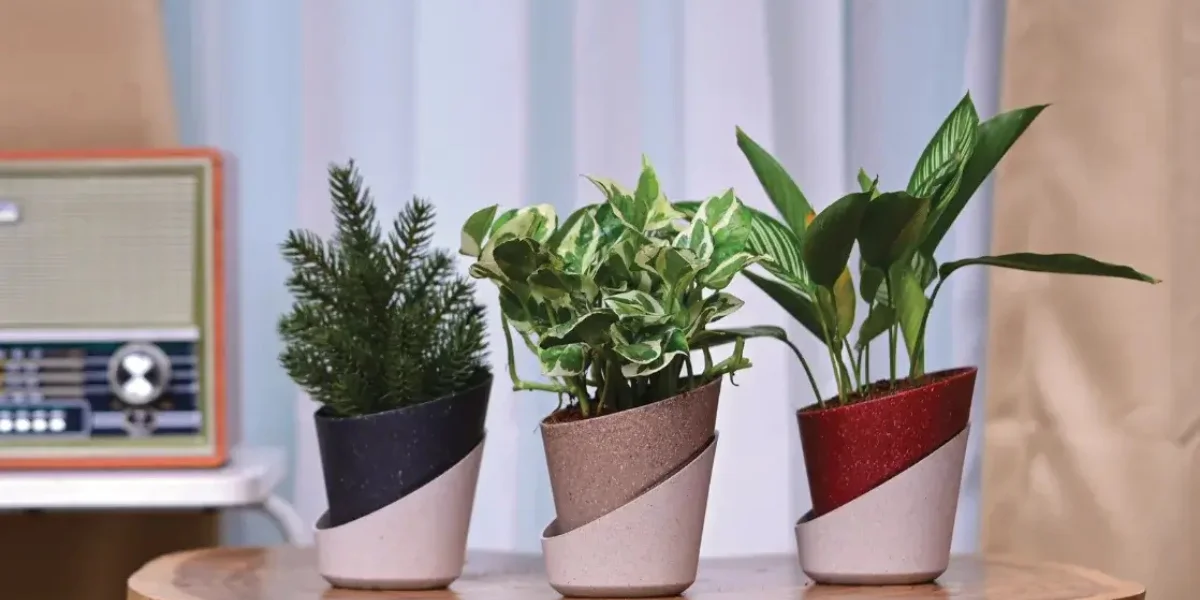
Best Plants for Self-Watering Pots
1Peace Lily
Peace Lily is one of the popular choices for self-watering pots. It naturally prefers evenly moist soil for plant and can show signs of stress when it becomes too dry. A self-watering system can help maintain consistent moisture while reducing the need for frequent manual watering.
Why it works well:
- Prefers consistently moist soil
- Suitable for indoor environments
- Benefits from stable moisture
- Works well in decorative planters
Avoid keeping the root zone excessively saturated, as good aeration is still important.
2Spider Plant
Spider Plants are relatively easy to care for and adapt well to self-watering containers. They prefer moderate moisture and can grow vigorously when provided with suitable light and growing conditions. They are particularly useful for homes and offices where regular watering may be overlooked.
Best conditions:
- Bright, indirect light
- Well-draining potting mix
- Moderate moisture
- Occasional reservoir monitoring
3Pothos
Pothos is another excellent option for self-watering pots. It is adaptable, fast-growing, and generally appreciates consistent moisture during active growth. Allowing the growing medium to become slightly less moist between watering cycles can help prevent excessive moisture around the roots. Pothos works particularly well in hanging-style arrangements or decorative indoor planters.
4Philodendron
Many Philodendron varieties appreciate evenly moist growing conditions without being waterlogged. A self-watering pot can provide a more consistent moisture supply than irregular manual watering, making it a practical choice for indoor plant enthusiasts. Place the plant in bright, indirect light and use a well-aerated potting mix to encourage healthy roots.
5Herbs
Several culinary herbs can perform well in self-watering pots because they often require regular moisture.
Good options include:
- Basil
- Mint
- Parsley
- Coriander
- Oregano
Basil and mint, in particular, can benefit from consistent moisture. However, the reservoir should still be monitored because different herbs have different moisture preferences. Self-watering containers are especially convenient for kitchen gardens, balconies, and compact urban spaces.
6Lettuce and Leafy Greens
Lettuce and several leafy greens can benefit from consistent access to moisture. Irregular watering can cause plants to become stressed, particularly during warm weather. A self-watering pot can help maintain more stable growing conditions.
Suitable options may include:
- Lettuce
- Spinach
- Kale
- Arugula
Use an appropriately sized container and ensure the growing medium provides sufficient drainage and aeration.
7Peaceful Tropical Plants
Many tropical foliage plants naturally grow in environments where moisture is regularly available. Plants such as Calathea and some varieties of Alocasia may appreciate consistent moisture when their other growing requirements are met. However, these plants can be more sensitive to poor drainage and stagnant moisture. A self-watering system should therefore be paired with an airy growing medium.
8Flowering Plants
Several flowering plants can grow successfully in self-watering containers when they require regular moisture.
Examples include:
- Begonias
- Impatiens
- Geraniums
- Anthuriums
Consistent moisture can support healthy foliage and flowering, but excessive water should still be avoided.
Which indoor plants are best for self-watering pots?
Peace Lily, Pothos, Spider Plant, and Philodendron are excellent indoor choices because they generally prefer consistent moisture and can adapt well to self-watering systems.
Are herbs a good choice for self-watering pots?
Yes. Herbs such as Basil, Mint, Parsley, and Coriander can grow well in self-watering pots because they often benefit from regular moisture. Make sure the pot has suitable drainage and an appropriate growing medium.
Which flowering plants can grow well in self-watering pots?
Begonias, Impatiens, Geraniums, and Anthuriums are some flowering plants that can perform well in self-watering pots when provided with suitable light and well-aerated soil.
Can vegetables and leafy greens be grown in self-watering pots?
Yes. Lettuce, Spinach, Kale, and Arugula can benefit from consistent moisture. Self-watering pots can be particularly useful for growing leafy greens on balconies, terraces, and other compact spaces.
Are tropical plants suitable for self-watering pots?
Many tropical plants appreciate consistent moisture and can work well in self-watering pots. However, they still require good aeration and should not be kept in excessively saturated soil.
Plants to Avoid in Self-Watering Pots
Not every plant benefits from continuous access to moisture. Plants that naturally grow in dry environments may perform poorly when their roots remain consistently damp.
1Cacti
Cacti are adapted to dry environments and store water in their tissues. They generally require the growing medium to dry significantly between watering. A continuously available water reservoir can increase the risk of excessive moisture around their roots. For this reason, traditional containers with excellent drainage are usually a better choice.
2Succulents
Many succulents, including Echeveria and some Sedum varieties, prefer dry conditions between watering. Although individual species differ, most succulents are not ideal candidates for a constantly active self-watering system. If you want to use a self-watering pot for a succulent, choose a system that allows careful control of moisture rather than keeping the reservoir constantly full.
3Aloe Vera
Aloe Vera stores water in its thick leaves and generally prefers relatively dry growing conditions. Overwatering can create an unsuitable environment for its roots. A well-draining container that allows the soil to dry between watering is usually more appropriate.
4Jade Plant
Jade Plants are drought-tolerant succulents that store water in their leaves and stems. They do not generally need the consistent moisture supplied by a self-watering pot. Excess moisture can be more problematic than occasional dryness.
5Snake Plant
Snake Plants are highly adaptable and drought-tolerant. While they can sometimes grow in self-watering containers when the moisture level is carefully controlled, they are not among the plants that most benefit from continuous water availability. If using one in a self-watering pot, avoid keeping the reservoir permanently filled.
Which plants are generally not suitable for self-watering pots?
Cacti, many succulents, Aloe Vera, and Jade Plants are generally less suitable because they prefer drier soil and need time for the growing medium to dry between watering.
Why are cacti not ideal for self-watering pots?
Cacti are adapted to dry environments and store water in their tissues. Constant access to moisture can keep their roots wetter than they prefer and may increase the risk of root problems.
Can succulents be grown in self-watering pots?
Some succulents can be grown in them with careful moisture management, but they are not usually the best choice. A well-draining pot that allows the soil to dry between watering is generally more suitable.
Why should Aloe Vera be used carefully in self-watering pots?
Aloe Vera stores water in its leaves and has relatively low watering requirements. Keeping its growing medium consistently moist can create an unsuitable environment for healthy root growth.
Should drought-tolerant plants be avoided completely?
Not necessarily. Drought-tolerant plants can sometimes be used in self-watering pots if the reservoir and moisture levels are carefully controlled. However, traditional well-draining pots are often easier to manage for these plants.
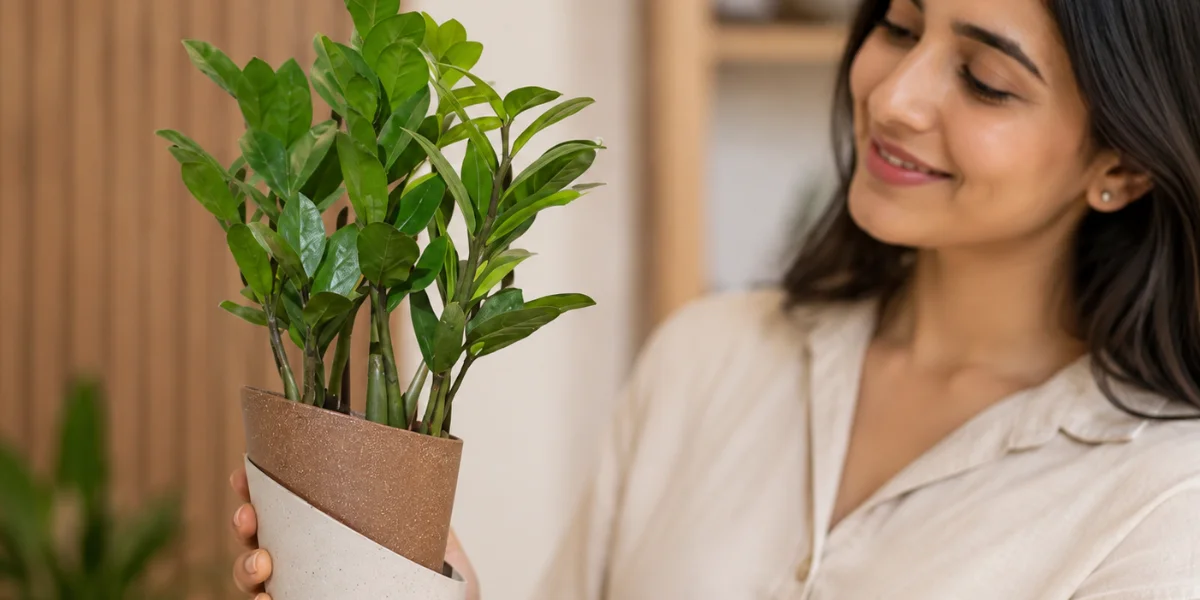
How to Choose the Best Plant for a Self-Watering Pot
Before selecting a plant, consider its natural watering requirements rather than choosing based only on appearance.
Check the Plant’s Moisture Preference
Look for plants described as preferring:
- Evenly moist soil
- Consistent moisture
- Moderate watering
- Moist but well-drained conditions
These characteristics generally indicate that the plant may be compatible with a self-watering system.
Consider the Growing Environment
Light, temperature, humidity, and airflow all influence how quickly a plant uses water. A plant placed in direct sunlight may consume water much faster than the same plant in a shaded indoor location.
Choose the Right Planter Size
The planter should provide enough room for the plant’s roots without being unnecessarily oversized. An excessively large container can hold more moisture than the plant can use, potentially creating an unsuitable root environment.
Use the Right Growing Medium
Self-watering pots work best with a suitable, well-aerated potting mix. Avoid heavy garden soil that can compact around the roots and interfere with moisture movement and air circulation.
How do I know if a plant is suitable for a self-watering pot?
Check the plant’s watering requirements. Plants that prefer evenly moist, well-drained soil are generally better suited to self-watering pots than plants that require dry periods between watering.
Should I consider the size of the plant when choosing a self-watering pot?
Yes. Choose a pot that provides enough room for the plant’s mature root system without being excessively large. The right size helps maintain an appropriate balance of moisture and root space.
Does sunlight affect which plant I should choose?
Yes. Sunlight influences how quickly a plant uses water. Plants in bright, warm locations may require more moisture, so consider both the plant’s light requirements and its watering needs before choosing a self-watering pot.
What type of soil should I use when selecting a plant for a self-watering pot?
Choose plants that can thrive in a light, well-draining, and well-aerated potting mix. Avoid heavy garden soil, which can become compacted and interfere with proper water and air movement around the roots.
Should I choose plants based on their watering needs or appearance?
Watering needs should be the priority. A visually appealing plant may not perform well in a self-watering system if it prefers dry conditions. Matching the plant’s natural moisture requirements with the planter’s watering system gives better results.
Can Any Plant Be Grown in a Self-Watering Pot?
Not necessarily.
Self-watering pots are a tool for managing moisture, not a universal solution for every plant. A plant’s natural habitat and watering requirements should determine whether it is suitable.
Plants that prefer consistently moist conditions are usually better candidates, while drought-tolerant plants and species that require pronounced dry periods may need a different container setup.
It is also important to remember that a self-watering pot does not eliminate plant care. Plants still need appropriate light, nutrients, pruning, repotting, pest monitoring, and suitable growing conditions.
Tips for Growing Plants Successfully in Self-Watering Pots
1Start With a Healthy Plant
Choose a plant with healthy leaves, strong growth, and no visible signs of pests or disease.
2Establish the Plant First
When transferring a new plant into a self-watering container, water the growing medium from the top initially. This helps establish moisture throughout the root zone before relying primarily on the reservoir.
3Monitor the Water Level
Do not assume that the reservoir always needs to remain full. Check the indicator or reservoir regularly and refill according to the plant’s needs.
4Watch for Signs of Stress
Yellowing leaves, wilting, unpleasant soil odour, or slow growth can indicate that the plant’s moisture conditions need adjustment.
5Adjust Care by Season
Plants often use more water during warm, bright growing periods and less during cooler or dormant periods. Your reservoir refill schedule should change accordingly.
How often should I check the water reservoir in a self-watering pot?
Check the reservoir regularly, even though you don’t need to refill it frequently. The exact schedule depends on the plant, weather, pot size, and growing conditions.
Should I water a plant from the top when first using a self-watering pot?
Yes. When introducing a plant to a self-watering pot, watering the growing medium from the top can help establish moisture around the roots before the plant begins drawing water primarily from the reservoir.
What should I do if the leaves start turning yellow?
Yellow leaves can have several causes, including excessive moisture, insufficient light, nutrient issues, or natural ageing. Check the soil moisture, reservoir level, light conditions, and overall plant health before adjusting your watering routine.
Do self-watering pots need different care during different seasons?
Yes. Plants generally use more water during warm, bright growing periods and less during cooler or dormant periods. Adjust how often you refill the reservoir based on seasonal conditions rather than following a fixed schedule.
Can I leave a self-watering pot unattended while travelling?
Self-watering pots can reduce the need for frequent watering, making them useful when you’re away for short periods. However, check the reservoir, plant health, and light conditions before travelling to ensure the plant has suitable growing conditions.
Why Self-Watering Pots Are Useful for Modern Gardening
For people with busy schedules, self-watering pots can simplify routine plant care. They can be particularly useful in apartments, offices, balconies, terraces, and commercial spaces where maintaining a regular watering schedule can be challenging.
They also provide a practical way to maintain more consistent moisture while reducing the frequency of manual watering.
When combined with the right plant and growing medium, they can create a low-maintenance environment that supports healthy plant growth.
Why are self-watering pots useful for busy plant owners?
Self-watering pots reduce the need for frequent manual watering by providing plants with access to stored moisture. This makes them convenient for people with busy schedules.
Are self-watering pots suitable for apartments and small spaces?
Yes. They are well suited to balconies, windowsills, compact gardens, and indoor spaces where regular watering can be difficult. Their controlled watering system can also help reduce water spills.
Can self-watering pots help reduce water wastage?
Yes. Water is stored in a reservoir and made available to the plant gradually, which can reduce unnecessary runoff and evaporation compared with some traditional watering methods.
Are self-watering pots useful for office and commercial spaces?
Yes. They can be a practical option for offices, hotels, restaurants, retail spaces, and other commercial environments because they can reduce routine plant maintenance while keeping greenery looking healthy.
How do self-watering pots support low-maintenance gardening?
They simplify one of the most repetitive gardening tasks—watering. By maintaining a more consistent moisture supply, they can reduce watering frequency and make plant care easier for beginners and experienced gardeners alike.
Why Choose Harshdeep India Self-Watering Planters?
Harshdeep India offers self-watering planter solutions designed to combine practical plant care with modern aesthetics. These planters can be used across residential, commercial, indoor, and outdoor spaces, providing a convenient way to maintain plants while complementing the surrounding décor.
Choosing the right planter size, material, and watering system can make plant maintenance easier while helping create attractive green spaces.
Whether you’re planning an indoor plant display, balcony garden, office landscape, or outdoor installation, selecting a planter that matches the plant’s watering requirements is an important step toward long-term growth.
What makes Harshdeep India self-watering planters a practical choice?
Harshdeep India self-watering planters combine a convenient watering system with durable construction and contemporary designs, making them suitable for both residential and commercial spaces.
Are Harshdeep India self-watering planters suitable for indoor and outdoor use?
Yes. Depending on the model and application, they can be used for homes, offices, balconies, terraces, patios, gardens, and commercial landscaping projects.
Do Harshdeep India self-watering planters require frequent maintenance?
They are designed to simplify plant care by reducing the frequency of manual watering. Regularly checking the water reservoir, plant health, and growing conditions is still recommended.
Can Harshdeep India self-watering planters be used for different types of plants?
Yes. They can accommodate a wide range of plants, provided the selected plant is compatible with consistent moisture and the planter is appropriately sized for its root system.
How do Harshdeep India planters combine functionality with aesthetics?
Harshdeep India offers self-watering planters in contemporary designs that allow practical plant care to complement interior and exterior spaces. They can be incorporated into residential gardens, offices, hospitality areas, and commercial landscapes.
Conclusion
The best plants for self-watering pots are generally those that appreciate consistent moisture without tolerating completely dry conditions. Peace Lilies, Spider Plants, Pothos, Philodendrons, herbs, leafy greens, and several flowering plants can be excellent choices.
On the other hand, Cacti, many Succulents, Aloe Vera, and Jade Plants typically prefer drier conditions and may not benefit from a continuously available water reservoir.
The key is to match the planter with the plant’s natural moisture requirements. With the right combination of plant, soil, light, container size, and watering management, self-watering pots can make everyday gardening simpler while supporting healthier and more attractive plants.
What are the best plants for self-watering pots?
Some of the best choices include Peace Lily, Spider Plant, Pothos, Philodendron, Basil, Mint, Lettuce, Spinach, Begonias, and Anthuriums. These plants generally appreciate consistent moisture when grown in a well-draining medium.
Can succulents grow in self-watering pots?
Most succulents are not ideal for continuously active self-watering systems because they prefer their growing medium to dry between watering. If used, the reservoir and moisture levels should be carefully controlled.
Are herbs suitable for self-watering pots?
Yes. Herbs such as Basil, Mint, Parsley, Coriander, and Oregano can perform well because many require regular moisture. However, individual watering requirements should still be considered.
Can flowering plants be grown in self-watering pots?
Yes. Begonias, Impatiens, Geraniums, and Anthuriums are examples of flowering plants that can grow well in self-watering containers when provided with suitable light, soil, and moisture levels.
Do self-watering pots work for all indoor plants?
No. Their suitability depends on the plant’s moisture requirements. Plants that prefer evenly moist soil tend to be better candidates, while drought-tolerant plants generally require more careful moisture management.