Earth Friendly Planters
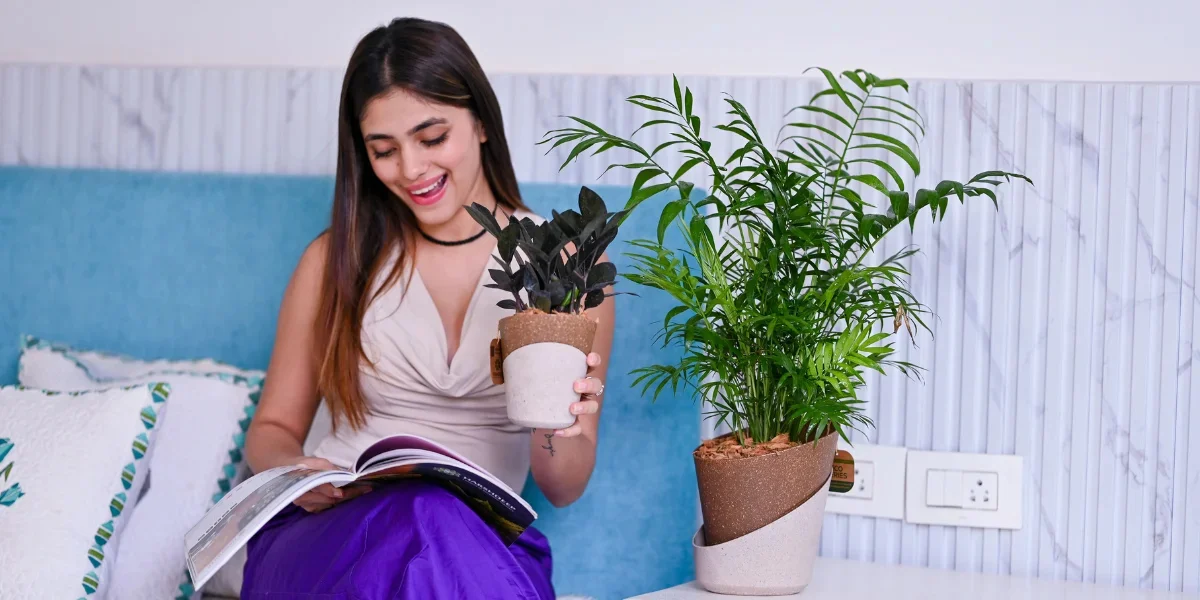
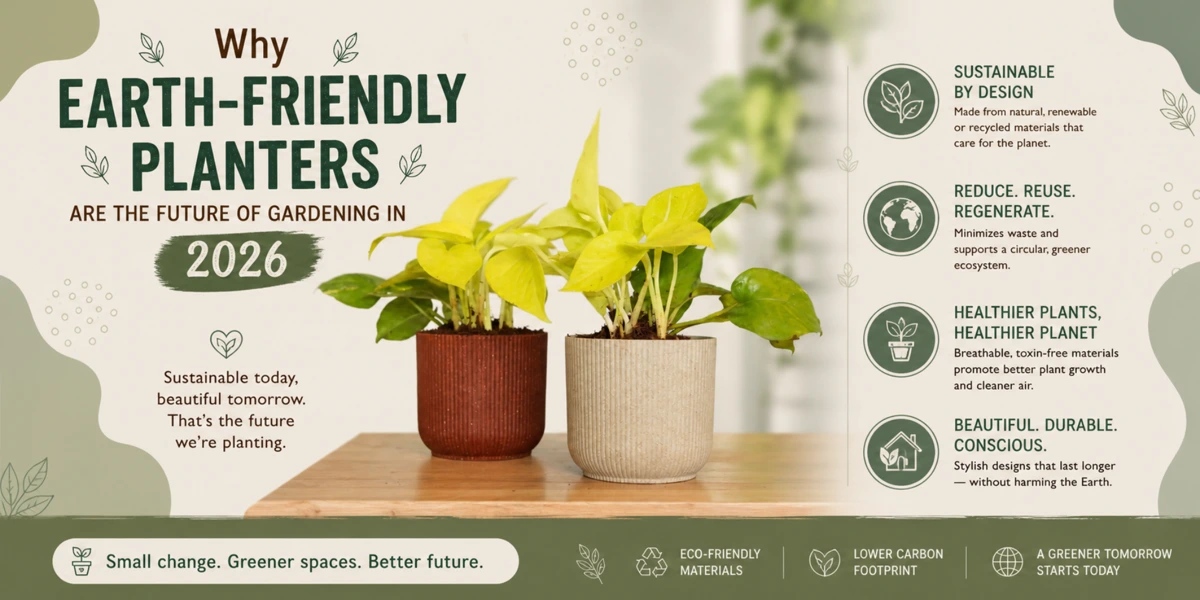
Switching to Earth Friendly Planters is a significant step toward sustainable gardening that reduces your environmental footprint. By choosing Earth Friendly Planters, you ensure that your hobby supports the planet rather than contributing to landfill waste. These containers are often crafted from biodegradable substances or sustainable fibers like bamboo and coconut coir. They provide excellent aeration for root systems while ensuring that no harmful chemicals leach into the soil. In 2026, conscious gardeners are prioritizing these vessels to create a closed-loop system in their backyards. It is the perfect way to combine a love for nature with responsible, eco-conscious living.Plant Pots Made From Recycled Materials
Using Plant Pots Made From Recycled Materials is an innovative way to repurpose waste and give second life to plastics and metals. High-quality Plant Pots Made From Recycled Materials are durable, weather-resistant, and significantly reduce the demand for “virgin” plastic production. These pots often feature unique textures and modern designs that add an industrial or artisanal flair to your home decor. By opting for recycled options, you are directly supporting the circular economy and keeping debris out of our oceans. They offer the same functionality as traditional pots while serving as a testament to your commitment to environmental preservation.Importance Of Eco Friendly Products In Gardening
The Importance Of Eco Friendly Products In Gardening cannot be overstated as we face global environmental challenges. Understanding the Importance Of Eco Friendly Products In Gardening helps enthusiasts realize that the tools they use are just as vital as the plants they grow. Traditional plastic pots can take centuries to decompose, whereas sustainable alternatives integrate back into the earth seamlessly. Using organic fertilizers, recycled tools, and natural containers protects local biodiversity and keeps the soil healthy for future generations. It turns the act of gardening into a true environmental service, ensuring that our green spaces remain pure, vibrant, and regenerative.Eco Friendly Pots For Plants
Selecting Eco Friendly Pots For Plants is an easy and effective way to upgrade your indoor or outdoor garden. These Eco Friendly Pots For Plants are designed to be both functional and aesthetically pleasing, using materials like breathable fabric, terracotta, or compressed rice hulls. Unlike standard plastic, these materials allow for better temperature regulation and prevent root circling, leading to healthier, more resilient growth. Whether you are a balcony gardener or have a sprawling yard, these sustainable containers offer a professional-grade solution for plant health. Investing in eco-conscious potting ensures your garden thrives in harmony with the natural world around it. What are earth-friendly planters?
Earth-friendly planters are sustainable plant containers made from biodegradable, recycled, or natural materials like rice husks, coconut coir, bamboo, or recycled plastics. Unlike traditional petroleum-based plastic pots, these eco-friendly alternatives reduce landfill waste, have a lower carbon footprint, and often promote better root health through superior aeration.
What is the importance of eco friendly products in gardening?

The importance of eco friendly products in gardening lies in their ability to close the waste loop. Traditional gardening often relies on “virgin” plastics that take centuries to decompose. By switching to eco friendly pots for plants, gardeners reduce their carbon footprint, eliminate microplastic runoff, and support a circular economy that prioritizes the health of the planet alongside the health of the plant.
5 Best Materials for Sustainable Planters

Choosing the right material is the first step toward a “zero-waste” garden. Here are the top contenders for 2026:
1. Coconut Coir:
Made from reclaimed coconut husks, these are 100% biodegradable and offer excellent moisture retention.
Made from reclaimed coconut husks, these are 100% biodegradable and offer excellent moisture retention.
2. Rice Husks:
A sturdy byproduct of rice farming. These planters are durable for 4–5 years but eventually break down without leaving microplastics.
A sturdy byproduct of rice farming. These planters are durable for 4–5 years but eventually break down without leaving microplastics.
3. Sustainable Bamboo:
Fast-growing and renewable, bamboo pots are lightweight, stylish, and perfect for indoor decor.
Fast-growing and renewable, bamboo pots are lightweight, stylish, and perfect for indoor decor.
4. Terracotta & Clay:
A timeless classic. Being 100% natural and breathable, they prevent root rot by allowing soil to “breathe.”
A timeless classic. Being 100% natural and breathable, they prevent root rot by allowing soil to “breathe.”
5. Recycled Rubber & Plastic:
Ideal for those who need the durability of plastic without the environmental guilt of “virgin” plastic production.
Ideal for those who need the durability of plastic without the environmental guilt of “virgin” plastic production.
Benefits of Switching to Eco-Friendly Pots

Beyond saving the planet, earth-friendly planters offer tangible benefits for your greenery:
1. Improved Root Health:
Natural fibers allow for better air circulation, preventing the “root-bound” spiraling often seen in smooth plastic pots.
Natural fibers allow for better air circulation, preventing the “root-bound” spiraling often seen in smooth plastic pots.
2. Temperature Regulation:
Materials like wood and stone act as natural insulators, protecting sensitive roots from 2026’s increasingly volatile temperature swings.
Materials like wood and stone act as natural insulators, protecting sensitive roots from 2026’s increasingly volatile temperature swings.
3. Reduced Transplant Shock:
Many biodegradable “starter pots” can be planted directly into the ground, as the pot itself becomes compost.
Many biodegradable “starter pots” can be planted directly into the ground, as the pot itself becomes compost.
4. Aesthetic Appeal:
Eco-conscious designs often feature earthy textures and soft neutrals (like “Cloud Dancer” white or peach blush), which are the top gardening color trends this year.
Eco-conscious designs often feature earthy textures and soft neutrals (like “Cloud Dancer” white or peach blush), which are the top gardening color trends this year.
Why choose a waste material plant pot?
Using a waste material plant pot is a direct way to divert trash from landfills. Common sources for these innovative pots for plants include:
1. Post-consumer plastic:
Transformed into sleek, colorful indoor planters.
Transformed into sleek, colorful indoor planters.
2. Recycled rubber:
Often sourced from old tires, making them virtually indestructible for outdoor use.
Often sourced from old tires, making them virtually indestructible for outdoor use.
3. Agricultural byproducts:
Utilizing husks and fibers to create a “natural” waste material plant pot.
Utilizing husks and fibers to create a “natural” waste material plant pot.
Why choose a waste material plant pot?
Feature | Earth-Friendly Planters | Traditional Plastic Pots |
Environmental Impact | Low / Biodegradable | High / Non-biodegradable |
Durability | Varies (1–10+ years) | High (Lasts decades) |
Breathability | High (Promotes air pruning) | Low (Risk of root rot) |
Cost | Mid-range | Low |
2026 Trend Status | Leading Trend | Declining |
How to Choose the Best Earth-Friendly Planter for Your Home
To find the perfect match, ask yourself these three questions:
1. Indoor or Outdoor?
For outdoors, look for UV-resistant recycled rubber or heavy stone. For indoors, bamboo and rice husk offer a sleeker finish.
For outdoors, look for UV-resistant recycled rubber or heavy stone. For indoors, bamboo and rice husk offer a sleeker finish.
2. Does it have drainage?
Even eco-friendly pots need holes to prevent waterlogging.
Even eco-friendly pots need holes to prevent waterlogging.
3. Is it truly compostable?
If you want a “zero-waste” lifecycle, ensure the brand specifies it is “home compostable” rather than just “recyclable.”
If you want a “zero-waste” lifecycle, ensure the brand specifies it is “home compostable” rather than just “recyclable.”
Creative DIY: Plant Pots with Waste Material
You don’t always have to buy new. You can create your own plant pots with waste material right at home.
1. Upcycled Food Tins:
Cleaned out large tin cans make excellent industrial-style pots for plants (just remember to drill drainage holes!).
Cleaned out large tin cans make excellent industrial-style pots for plants (just remember to drill drainage holes!).
2. Old Glass Jars:
These work perfectly as indoor planters for water propagation.
These work perfectly as indoor planters for water propagation.
3. Wooden Crates:
Repurposing old pallets is a fantastic way to create large-scale eco friendly planters for a balcony or patio.
Repurposing old pallets is a fantastic way to create large-scale eco friendly planters for a balcony or patio.
Final Thoughts
Transitioning to earth-friendly planters is a small change that yields a massive impact. By choosing materials that give back to the soil rather than polluting it, you ensure your garden is as green on the inside as it looks on the outside.
FAQ's
An eco friendly planter is a gardening container designed with a minimal environmental impact. These are typically made from sustainable, natural, or recycled materials such as bamboo, coconut coir, rice hulls, or recycled plastics. Unlike traditional single-use plastic pots, an eco friendly planter is either built to last for decades or designed to biodegrade naturally without leaving microplastics or toxic residues in the soil.
Yes, earthen pots made from natural clay (like terracotta) are considered biodegradable over a very long period, though they are more accurately described as “biocompatible.” While they don’t break down as quickly as a compostable starch pot, earthen pots eventually crumble back into the earth as natural mineral sediment. Because they contain no synthetic polymers or chemicals, they are a safe, breathable, and regenerative choice for any garden.
Using eco friendly products in your garden is vital for preserving soil health and reducing plastic pollution. Traditional gardening supplies often rely on petroleum-based plastics that shed harmful particles into the environment. By choosing eco friendly products, you support sustainable manufacturing, reduce landfill waste, and ensure that your plants grow in a toxin-free environment. It is a proactive way to protect local ecosystems while enjoying a greener lifestyle.
For high-quality and durable gardening solutions, you can purchase a wide variety of planters directly from Harshdeep India They specialize in modern, weather-resistant designs ranging from indoor decorative pots to large-scale outdoor planters and illuminated collections.
Most biodegradable pots are designed to remain sturdy for one to two growing seasons if kept above ground. However, once they are buried in soil or added to a compost pile, they typically begin to decompose within 3 to 6 months. Factors like moisture levels, soil temperature, and the specific material (such as compressed paper vs. bamboo fiber) will determine the exact speed of the breakdown.
Yes, many eco friendly pots, especially those made from fabric or natural fibers, provide superior root aeration. Unlike non-porous plastic, these materials allow air to reach the root zone, which prevents “root circling” and encourages “air pruning.” This results in a more robust, fibrous root system, which leads to faster growth and more resilient plants that can better absorb nutrients and water.