
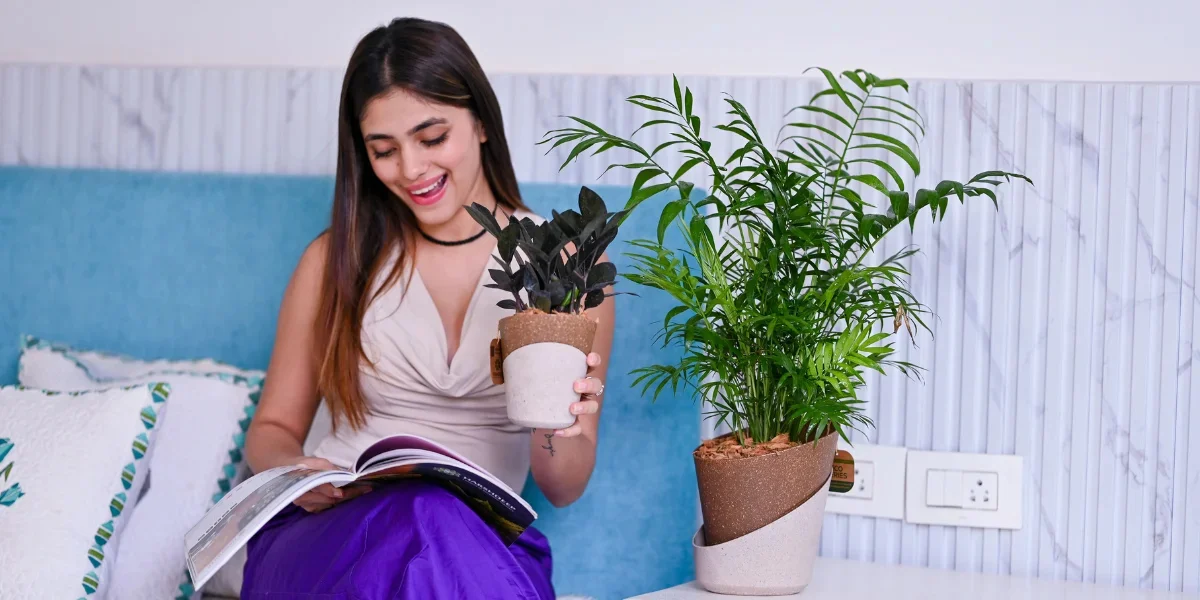
Plant Pots Made from Recycled Materials
Choosing plant pots made from recycled materials is more than a design trend; it is a commitment to the planet. These eco-friendly plant pots transform discarded plastic, wood, and metals into beautiful house planters. Whether you need outdoor planters for your garden or indoor planters for a kitchen herb garden, selecting sustainable products ensures your hobby doesn’t contribute to landfill waste. Pots are made of diverse materials today, ranging from reclaimed sea plastic to agricultural husks, proving that home decor plants can thrive in containers that are both aesthetically pleasing and environmentally responsible.Importance of Eco Friendly Products
Understanding the importance of eco-friendly products is the first step toward a sustainable lifestyle. By choosing earth friendly planters and other sustainable products, we reduce the demand for virgin plastics and help lower carbon emissions. Using eco-friendly materials in our homes like home decor planters made from recycled resins promotes a circular economy. These eco-friendly pots for plants ensure that resources are reused rather than discarded. Investing in sustainable products for your home decor plants creates a healthier environment, proving that even small changes in our pots for planting can lead to significant global impacts.Plant Pots with Waste Material
Creating plant pots with waste material is an innovative way to upcycle and personalize your living space. Instead of buying new, consider how plant pots from waste can add character to your home decor planters. Old tin cans, glass jars, and even cracked ceramic bowls can be reimagined as unique pots for planting. These DIY waste material plant pot projects turn everyday trash into functional house planters. Not only does this save money, but it also ensures that your pots with plants tell a story of resourcefulness. For those looking for outdoor planters, sturdy discarded crates make excellent large-scale containers.Eco Friendly Pots for Plants
When searching for eco-friendly pots for plants, you are looking for durability and breathability. Modern eco-friendly plant pots are designed to be better for the roots than traditional virgin plastic. Many of these earth friendly planters are crafted from bamboo fiber or recycled composites, making them ideal indoor planters for sensitive species. These sustainable products help maintain the right moisture levels for your home decor plants. By using pots for plants that prioritize the earth, you ensure that your gardening journey supports biodiversity from the ground up, making your house planters truly green.Waste Material Plant Pot
A waste material plant pot is a testament to the fact that beauty can be found in the unexpected. From using old tires as large outdoor planters to turning plastic jugs into pots for planting, the possibilities are endless. These plant pots from waste serve as excellent conversation pieces among your home decor plants. When your pots are made of repurposed items, you reduce your carbon footprint significantly. Whether you are using a waste material plant pot for a small succulent or a large fern, these eco-friendly materials provide a unique, rustic charm to any collection of indoor planters or garden displays.
In recent years, the shift toward a more sustainable lifestyle has moved from a niche trend to a global necessity. As we become more conscious of our environmental footprint, we are looking for ways to green every corner of our lives literally. One of the easiest and most rewarding ways to do this is by choosing plant pots made from recycled materials.
Whether you are an urban gardener with a collection of indoor planters or a backyard enthusiast looking for durable outdoor planters, the materials you choose for your greenery matter. Moving away from virgin plastics and toward eco friendly pots for plants is a small step that yields significant benefits for the planet.
The Importance of Eco Friendly Products
Before diving into the types of pots for plants available, it is essential to understand the importance of eco-friendly products. Our traditional manufacturing processes often rely on “linear” models: extract, make, use, and discard. This leads to overflowing landfills and the depletion of natural resources.
By choosing sustainable products, we support a “circular economy.” Eco-friendly materials such as recycled plastics, reclaimed wood, or agricultural waste reduce the demand for raw materials and lower the energy consumption required for production. When your pots are made of recycled content, you are essentially giving a second life to something that would have otherwise polluted our oceans or landscapes.
Creative Plant Pots with Waste Material
If you are a fan of DIY projects, creating a waste material plant pot is a fantastic way to personalize your home. Using plant pots from waste doesn’t mean your garden has to look cluttered; with a little creativity, these items become high-end home decor planters.
Common Materials for DIY Recycled Pots::
1. Plastic Bottles:
The classic waste material, a plant pot. With a bit of paint and some drainage holes, old soda bottles become excellent house planters for herbs.
The classic waste material, a plant pot. With a bit of paint and some drainage holes, old soda bottles become excellent house planters for herbs.
2. Tin Cans:
Cleaned-out food tins make for industrial-chic pots for planting. They are particularly sturdy and great for small succulents.
Cleaned-out food tins make for industrial-chic pots for planting. They are particularly sturdy and great for small succulents.
3. Old Containers:
Colanders, wooden crates, and even old boots can be transformed into quirky, earth-friendly planters.
Colanders, wooden crates, and even old boots can be transformed into quirky, earth-friendly planters.
Modern Eco-Friendly Planters: Style Meets Sustainability

For those who prefer a more polished look, the market for manufactured eco-friendly plant pots has exploded. Designers are now proving that sustainable products can be just as sleek and modern as their traditional counterparts.
1. Recycled Plastic Pots
Many high-quality outdoor planters are now made from “post-consumer” plastic. This includes everything from recycled fishing nets to detergent bottles. These pots with plants are UV-resistant, lightweight, and incredibly durable, making them perfect for balconies and patios.
2. Composite Materials
Some of the most innovative eco-friendly planters are made from a blend of stone powder and recycled plastic. These have the heavy, premium feel of stone but the lightweight benefits of plastic. They fit perfectly into home decor and plant aesthetics, offering a minimalist look for any living room.
3. Natural Fiber Pots
Eco-friendly materials like bamboo fiber, rice husks, and coconut coir are becoming popular for indoor planters. These materials are often biodegradable over a long period, meaning that once the pot has reached the end of its life (after many years), it won’t sit in a landfill forever.
Elevating Your Space: Home Decor with Plants
Integrating house planters into your interior design does more than just fill a corner; it improves air quality and boosts mental well-being. When selecting home decor planters, consider how the texture of the pot complements your furniture.
1. For Minimalist Homes:
Choose earth-friendly planters in neutral tones like charcoal, terracotta, or off-white.
Choose earth-friendly planters in neutral tones like charcoal, terracotta, or off-white.
2. For Bohemian Styles:
Look for plant pots made from recycled materials that feature natural textures, such as woven seagrass or recycled wood.
Look for plant pots made from recycled materials that feature natural textures, such as woven seagrass or recycled wood.
3. For Modern Offices:
Sleek, matte-finish eco-friendly plant pots made from recycled resins provide a professional yet conscious vibe.
Sleek, matte-finish eco-friendly plant pots made from recycled resins provide a professional yet conscious vibe.
Practical Benefits of Using Recycled Pots for Planting
Beyond the environmental impact, there are functional reasons to choose pots for planting that are made from recycled or sustainable sources:
Feature | Benefit of Recycled/Eco-Friendly Pots |
Durability | Recycled plastic and composite outdoor planters often withstand freeze-thaw cycles better than cheap ceramic. |
Breathability | Many eco-friendly materials, like wood fiber or terracotta-style recycled blends, allow for better airflow to the roots. |
Weight | Plant pots from waste materials are often lighter than solid stone, making it easier to move your home decor plants around. |
Cost-Effective | Often, plant pots with waste material are more affordable than luxury virgin-material options while offering the same aesthetic value. |
Choosing the Right Pot for Your Plant
When shopping for pots for plants, remember that the material must match the plant’s needs.
1. Drainage is Key:
Whether it’s a DIY waste material plant pot or a high-end indoor planter, ensure there are holes at the bottom. Without drainage, water pools at the roots, leading to rot.
Whether it’s a DIY waste material plant pot or a high-end indoor planter, ensure there are holes at the bottom. Without drainage, water pools at the roots, leading to rot.
2. Size Matters:
Your house planters should be about 1-2 inches wider than the plant’s current root ball.
Your house planters should be about 1-2 inches wider than the plant’s current root ball.
3. Location:
Use heavy-duty earth-friendly planters for the outdoors to prevent them from blowing over in the wind, and lighter eco-friendly plant pots for shelves and hanging displays inside.
Use heavy-duty earth-friendly planters for the outdoors to prevent them from blowing over in the wind, and lighter eco-friendly plant pots for shelves and hanging displays inside.
Conclusion: A Greener Future, One Pot at a Time
Switching to plant pots made from recycled materials is an easy way to align your love for nature with your lifestyle choices. From repurposing everyday items into a waste material plant pot to investing in high-quality, eco-friendly planters, every choice counts.
By prioritizing sustainable products and eco-friendly materials, we ensure that our passion for home decor plants doesn’t come at the expense of the planet. So, the next time you are looking for pots for planting, look for the “recycled” label. Your plants and the Earth will thank you.
FAQ's
You can easily make eco-friendly pots for plants using items already in your recycling bin:
- Newspaper Pots: Roll sheets of newspaper around a glass, fold the bottom, and secure it with a rubber band. These are great for seedlings because you can plant the entire pot directly into the soil.
- Egg Cartons: Cardboard egg cartons are perfect for starting seeds. Once the plant is ready, cut the individual “cups” and plant them.
- Toilet Paper Rolls: Fold the bottom of a cardboard tube to create a base. These are deep enough for plants that need more root space early on.
Yes, pots for plants made of plastic have several benefits, but also some drawbacks:
- Pros: They are lightweight, affordable, and excellent at retaining moisture, which is great for plants that love water (like ferns). They are also more durable and less likely to break than ceramic.
- Cons: Plastic is non-porous, meaning it doesn’t “breathe.” This can lead to root rot if you overwater. Also, cheap plastic can become brittle and crack when left in the sun for too long.
The best material depends on the type of plant and its environment:
- Terracotta/Clay: Best for plants that like to dry out (succulents, cacti) because the material is porous and allows air/water to move through the walls.
- Plastic/Resin: Best for moisture-loving plants and for people who want lightweight outdoor planters that are easy to move.
- Fabric: Excellent for “air-pruning” roots, preventing them from circling the pot and becoming root-bound.
- Wood: Great for insulation, protecting roots from extreme heat or cold.
Most commercial plastic pots are made through a process called injection molding.
- Process: Plastic pellets are melted and then injected at high pressure into a metal mold. Once the plastic cools and solidifies, the mold opens to release the finished pot.
- Variations: Some larger or more decorative house planters are made via rotational molding (spinning the mold to coat the walls) or thermoforming (shaping a heated plastic sheet over a mold).
Common materials used to manufacture pots for planting include:
- Natural: Clay, terracotta, stone, wood, and ceramic.
- Synthetic: Plastic (Polypropylene or PVC), fiberglass, and metal.
- Eco-Friendly Blends: Recycled plastics, bamboo fiber, and rice husks.
It depends on your local facility.
- Black Plastic: Most curbside programs cannot recycle black plastic pots because the sorting machines can’t “see” the black pigment against the conveyor belts.
- Other Colors: Many facilities accept #1, #2, or #5 plastics, but they must be cleaned of all dirt first.
- Take-Back Programs: Many large garden centers (like Lowe’s or Home Depot) have bins specifically for recycling or reusing old nursery pots.
Biodegradable pots are designed to break down naturally in the soil. They are typically made of:
- Peat or Coconut Coir: Compressed fibers that allow roots to grow right through them.
- Starch-based Plastics (PLA): Made from corn or potato starch; these look like plastic but decompose over time.
- Pressed Paper/Cardboard: Recycled paper pulp treated to hold its shape long enough for the plant to establish.
- Cow Manure: Dried and pressed “Poo Pots” that provide extra nutrients as they decompose.


